
🇹🇭Thailand Travel Hub
Complete travel intelligence for every trip to Thailand
Everything you need to plan a Thailand trip in 2026 — visa rules, connectivity, destination guides for Bangkok, Chiang Mai, Phuket, the islands, and AI-powered planning tools.
Cornerstone Guide
The Ultimate Thailand Travel Blueprint 2026
Our definitive Thailand planning resource — visas, every region, costs, month-by-month weather, transport, island comparisons and 7–30 day itineraries in one place.
Read the BlueprintAbout Thailand Travel in 2026
Thailand is consistently one of the world's most visited countries, welcoming over 35 million international visitors annually. In 2026, the key change for travellers is the reduction of the visa-exempt period from 60 to 30 days for most nationalities. Holiday travellers staying under 30 days are unaffected. Digital nomads and long-stay visitors should review the Thailand Visa 2026 guide and consider the Destination Thailand Visa (DTV).
The best time to visit most of Thailand is November to April (cool, dry season). The southwest coast (Phuket, Krabi) has its own weather pattern — high season is November to April. The Gulf coast (Koh Samui, Koh Tao) peaks in March to October. The north (Chiang Mai, Chiang Rai) is best in November to February.
Budget travellers can comfortably live on $35–50/day. Mid-range travellers typically spend $75–130/day. Thailand remains exceptional value compared to any Western equivalent.
Thailand — At A Glance
Key facts every traveller should know
Capital
Bangkok
Currency
Thai Baht (฿)
Population
71 million
Language
Thai
Time Zone
ICT (UTC+7)
Driving
Left-hand
Power Plugs
Type A, Type B, Type C
Cards
Cash preferred outside Bangkok; cards accepted at hotels, malls and tourist restaurants
Emergency
Police: 191 · Ambulance: 1669 · Fire: 199 · Tourist: 1155
Daily Budget
฿800–1,200 (~$22–34) / ฿2,500–4,500 (~$70–125) / ฿8,000+ (~$220+)
Why Visit Thailand?
Thailand sits at a rare intersection: extraordinary affordability, world-class beaches, profound Buddhist culture, and an obsession with food that permeates every town and village. Nowhere else can you eat a bowl of kuay teow at 6am from a street cart for 50 baht, take a longtail boat to an uninhabited island by noon, and walk barefoot around a 700-year-old temple by afternoon — all in a single day. The infrastructure for travellers is among the most mature in Southeast Asia, with well-connected airports, reliable domestic airlines, and an enormous variety of accommodation at every price point.
Key Highlights
- Grand Palace and Wat Pho in Bangkok
- Phi Phi Islands and Andaman Sea island-hopping
- Ancient Lanna temples of Chiang Mai
- Rainforest kayaking in Khao Sok National Park
- Night markets and street food culture nationwide
- World-class PADI diving off Koh Tao
- Ethical elephant sanctuaries in northern Thailand
- Full Moon Party on Koh Phangan
- White Temple (Wat Rong Khun) in Chiang Rai
- Floating markets around Bangkok
Best For
Best Time to Visit Thailand
Thailand has three distinct seasons, and two separate coastal weather systems. The cool, dry season (November–April) is ideal for most of the country. The Gulf coast (Koh Samui, Koh Tao, Koh Phangan) and Andaman coast (Phuket, Krabi, Koh Lanta) have opposing rainy seasons — meaning good weather can be found somewhere on the Thai coast year-round.
Nov – Feb
Cool Season (Best)
Dry, 24–32°C, low humidity. Peak season across Thailand. Ideal for Bangkok, Chiang Mai and the Andaman coast. Book ahead for December–January.
Mar – May
Hot Season
Temperatures reach 36–40°C. Songkran water festival in April is a major cultural highlight. Gulf coast remains good. Interior is very hot.
Jun – Oct
Green (Rainy) Season
Monsoon rains, mostly afternoon showers rather than all-day rain. Prices drop 20–40%. Gulf coast (Koh Samui/Tao) is drier during this period.
By Region
Bangkok & Central
Peak: Nov–Feb
Avoid April heatwave (36–40°C)
Northern Thailand
Peak: Nov–Feb
Cool nights (12–18°C), perfect for trekking
Andaman Coast
Peak: Nov–Apr
May–Oct brings heavy monsoon; some resorts close
Gulf Islands
Peak: Mar–Sep
Opposite to Andaman; good when west coast is wet
Thailand Travel Intelligence

Thailand Visa 2026 — New 30-Day Rule
Who is affected and what to do
Read Guide
Best Travel eSIM for Thailand
Yesim vs Airalo — AIS carrier comparison
Read Guide
Thailand Travel Guide (UK)
Complete guide for British travellers
Read Guide2-Week Thailand Itinerary
Optimised route for first-time visitors
Read GuideThailand Flights & Hotels
How to book smart and save money
Read GuideBackpacking Southeast Asia
Thailand, Vietnam, Cambodia & Indonesia
Read GuideThailand Destination Guides
Bangkok First-Timer's Guide
Temples, street food and where to stay
Read GuideChiang Mai Guide
Northern Thailand — temples, elephants & culture
Read Guide
Phuket Guide
Beaches, nightlife & island hopping
Read Guide
Krabi Guide
Railay Beach & limestone karst islands
Read Guide
Koh Samui Guide
Gulf coast island & Full Moon Party
Read Guide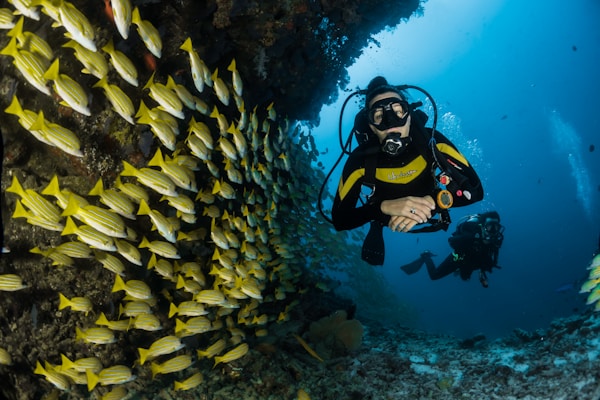
Koh Tao Guide
Diving, snorkelling & PADI courses
Read GuideKoh Lanta Guide
Relaxed island for longer stays
Read GuideKhao Sok Guide
Ancient rainforest & floating bungalows
Read GuidePattaya Guide
Beaches, Koh Larn island & Sanctuary of Truth
Read GuidePai Guide
Mountain retreat & slow travel
Read GuideChiang Rai Guide
White Temple & the Golden Triangle
Read GuideThailand For Every Type of Traveller
Find the Thailand experience that suits you
Island Hopping
Andaman coast (Phuket, Krabi, Phi Phi) or Gulf islands (Samui, Tao, Phangan). Best Nov–Apr on Andaman, Mar–Oct on Gulf.
🎒Backpacking Thailand
The banana pancake trail still delivers — Bangkok, Chiang Mai, Pai, and the islands. Well-worn for a reason.
👨👩👧Family Holidays
Phuket and Koh Samui have the best family resort infrastructure. Bangkok's theme parks, Elephant Nature Park in Chiang Mai.
💎Luxury Travel
Ko Samui, Koh Lanta, and Koh Yao Noi for boutique resorts. Bangkok has some of Asia's finest five-star hotels from $150/night.
💻Digital Nomad
Chiang Mai is Southeast Asia's original digital nomad hub — 300+ co-working spaces, ฿3,000/month apartments, fast fibre internet.
🧘Wellness & Yoga
Koh Phangan hosts over 100 retreat centres year-round. Chiang Mai has Thai massage schools. Pai is famous for its relaxed healing culture.
🍜Food & Culture
Bangkok street food, Chiang Mai night bazaar, authentic Thai cooking classes from ฿800. UNESCO-recognised Royal Thai cuisine.
🏔️Adventure Travel
Khao Sok trekking and kayaking, rock climbing at Railay Beach, Doi Inthanon summit, jungle zip-lining in Chiang Mai.
Thailand Travel Costs
Realistic daily budgets for every travel style
Thailand remains one of the world's most affordable major travel destinations. A backpacker on hostels and street food lives well under $35/day. Mid-range travellers get private rooms with pools, Grab taxis, sit-down restaurants and day trips for $70–125/day. The biggest cost variable is accommodation type and island location — Phuket and Koh Samui run 30–50% more expensive than the mainland.
Budget Backpacker
฿800–1,200/day (~$22–34)
Hostel dorm or budget guesthouse (฿250–400), street food (฿50–120/meal), overnight buses, shared longtail boats.
Mid-Range
฿2,500–4,500/day (~$70–125)
3-star hotel or boutique guesthouse (฿800–1,800), restaurant meals, Grab/taxi, guided day trips, ferries.
Luxury
฿8,000+/day (~$220+)
5-star beach resort (฿4,000–12,000+), fine dining, private speedboats, spa treatments, domestic flights.
Price Your Thailand Trip
Get a personalised cost estimate with Mantra
Thailand Safety Guide
Low RiskThailand is one of the safest destinations in Southeast Asia for international travellers. Violent crime against tourists is rare. The most common issues are petty theft, transport scams, and traffic accidents. Exercise standard awareness in crowded tourist zones.
- Tuk-tuk gem and tailor shop scams: any driver offering a free sightseeing tour that ends at a shop is running a commission scam — decline politely and walk away.
- Motorbike accidents are the leading cause of tourist injury in Thailand. Always wear a helmet, check insurance coverage, and avoid riding unfamiliar bikes on busy roads.
- Tap water is not safe to drink across Thailand — use bottled water, a filtered bottle, or established restaurant water. Ice in restaurants is generally fine.
- Temple dress codes are strict at major sites: covered shoulders and knees required. Sarongs are provided free at the Grand Palace.
- Respect for the monarchy is a serious legal matter — comments perceived as insulting carry up to 15-year jail sentences under lèse-majesté law.
- Solo female travellers report Thailand as very comfortable compared to many destinations. Exercise normal caution at night in tourist bar areas.
Getting Around Thailand
Thailand has excellent domestic transport for a Southeast Asian country. Budget airlines connect Bangkok to all major tourist hubs in under 90 minutes from ~$25 one-way. The BTS Skytrain and MRT make Bangkok navigable without taxis. Islands are reached via well-organised ferry and speedboat networks from mainland piers.
Domestic Flights
AirAsia, Thai Lion Air, Nok Air connect Bangkok (Don Mueang) to Phuket, Chiang Mai, Koh Samui, Krabi, Surat Thani. Book 2–4 weeks ahead from ~$25.
BTS Skytrain & MRT (Bangkok)
Efficient, air-conditioned metro covering central Bangkok. ฿15–55/journey. BTS Rabbit Card for frequent travel. Line extension to Suvarnabhumi Airport.
Overnight Sleeper Trains
Bangkok Hua Lamphong–Chiang Mai (12–13 hrs) is a classic traveller experience. 2nd class sleeper from ฿500. Book via 12go.asia.
Ferries & Speedboats
Gulf islands: depart from Chumphon or Surat Thani piers. Andaman islands: from Phuket, Ao Nang or Pak Bara piers. Multiple daily sailings.
Grab (Ride-Hailing)
The reliable, metered alternative to tuk-tuks. Available throughout Bangkok, Chiang Mai, Phuket, Pattaya and major tourist towns. Accept cash or card.
Car Hire
Recommended for northern Thailand road trips and exploring Chiang Mai province. International Driving Permit required. Drive on the left.
Plan Your Thailand Transport
Mantra builds your transport connections into your itinerary
Connectivity in Thailand
Thailand has excellent 4G coverage from AIS, DTAC, and TrueMove across all tourist regions. 5G is available in Bangkok. Public WiFi is widespread in hotels, cafés and co-working spaces. Thailand is one of the most popular digital nomad destinations in Southeast Asia, with Chiang Mai frequently ranking in global top-10 lists for remote workers.
Stay Connected in Thailand
Get the best travel eSIM before you fly
Travel Essentials for Thailand
Everything you need to book before you go
Accommodation
Compare hotels, resorts and guesthouses in Thailand
Flights to Thailand
Search Bangkok, Phuket and Chiang Mai routes
Thailand eSIM
AIS-backed eSIM — best coverage in Thailand
Travel Insurance
Essential for Thai healthcare and adventure activities
Experiences
Tours, diving, elephant sanctuaries, cooking classes
Plan Your Thailand Trip
Plan With Mairu
AI-powered Thailand itinerary builder
Makutet Mantra
Build your complete Thailand itinerary
Travel Toolkit
Compare flights, hotels & transfers
Flights to Thailand
Compare all routes with flexible dates
Hotels in Thailand
Bangkok, Phuket, Koh Samui & more
Thailand eSIM
AIS-connected — best network in Thailand
More from Makutet
Thailand Travel — Frequently Asked Questions
Ready to Explore Thailand?
Plan every detail with Makutet — flights, accommodation, islands, transfers and activities, all in one structured itinerary.