Australia — Harbour, Outback & Reef
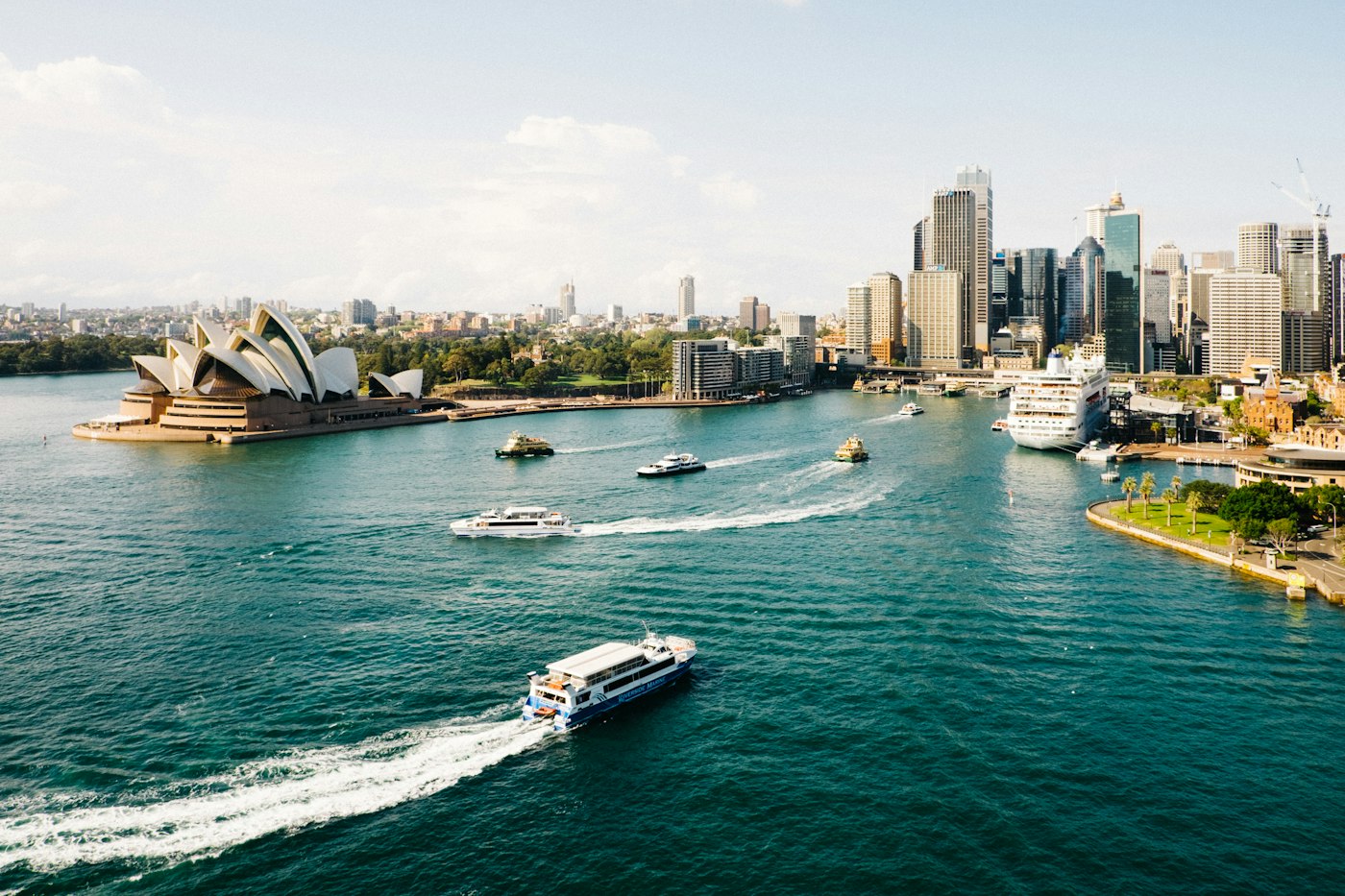
The Sydney Opera House at sunrise. Uluru at dusk. The Great Barrier Reef underwater. Australia delivers iconic experiences at continental scale.
Why Visit Australia?
Australia is the world's largest island continent and one of its most biodiverse countries. Sydney's harbour rivals any city view on earth. The Great Barrier Reef — the world's largest coral system — runs along Queensland's coastline. The Outback is a vast, ancient landscape of red earth and Aboriginal culture. And everywhere, Australia's famously easy-going, outdoor lifestyle makes visitors immediately feel welcome.
Key Highlights
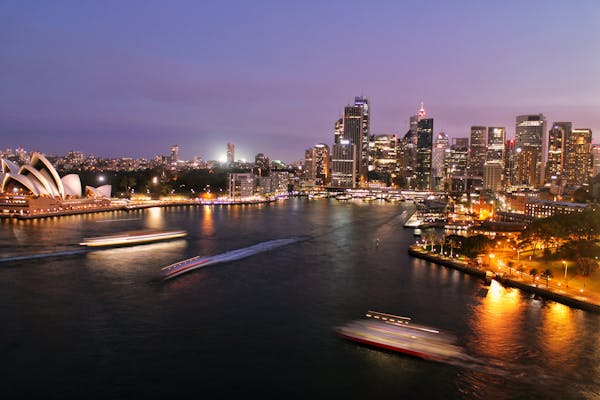
- Sydney Opera House and Harbour Bridge — Bondi Beach coastal walk
- Great Barrier Reef snorkelling and diving from Cairns
- Uluru at sunrise — the red rock at the spiritual heart of Australia
- The Twelve Apostles on the Great Ocean Road
- Daintree Rainforest — the world's oldest tropical rainforest
- Melbourne's laneways, coffee culture, and arts scene
- Whale watching along the south coast (June–November)
Best for
Australia — Quick Facts
Capital
Canberra
Currency
Australian Dollar (AUD) (AUD)
Population
26 million
Language(s)
English
Time Zone
AEST (UTC+10) to AWST (UTC+8)
Driving Side
Left-hand traffic
Power Plugs
Type I
Card Acceptance
Cards almost universally accepted; contactless payments standard
Typical Daily Budget
AUD $80–120/day (~$52–78) / AUD $200–350/day (~$130–228) / AUD $600+/day (~$390+) (budget / mid / luxury)
Emergency Numbers
Police: 000 · Ambulance: 000 · Fire: 000
Destinations in Australia
Explore cities, regions, and experiences across Australia.

Best Time to Visit Australia
Australia's huge size means there's always a great region to visit. Sydney and Melbourne are best September–November and March–May. The Tropical North (Cairns, Great Barrier Reef, Daintree) is best April–October during the dry season. Uluru and the Outback are bearable May–August when temperatures drop.
Sep – Nov
Spring (Sydney/Melbourne)
Ideal conditions for cities, coastal walks, and road trips. Jacaranda season in Sydney. Shoulder prices.
Apr – Oct
Tropical Dry Season
Best time for Cairns, Great Barrier Reef, and the Daintree. Warm and sunny without the summer cyclone risk or humidity.
Jun – Aug
Winter (Outback & South)
Best for Uluru and the Red Centre. Whale watching along the south coast. Cooler, comfortable temperatures in most states.
Australia — Travel Budget Guide
Australia is one of the more expensive destinations for international travellers, particularly for accommodation, domestic flights, and dining. However, excellent hostels, free beaches, national parks, and the working holiday visa make long-term stays very viable. Budget travel is achievable with careful planning.
Budget Traveller
AUD $80–120/day (~$52–78)
Hostel dorm, grocery shopping and cheap cafés, public transport, free beaches and parks, inter-city buses.
Mid-Range
AUD $200–350/day (~$130–228)
Hotel or Airbnb, restaurant dining, car hire, day tours to reef and national parks.
Luxury
AUD $600+/day (~$390+)
Five-star harbour hotels, Great Barrier Reef liveaboard dive trips, private Outback experiences, business-class domestic flights.
Australia Safety Overview
Low RiskAustralia is one of the world's safest tourist destinations. Violent crime against visitors is extremely rare. The main risks are environmental — UV radiation is intense (use SPF50+), ocean rips at beaches (always swim between the flags), and wildlife in the Outback. Tap water is safe to drink nationwide.
- Swim between the flags at patrolled beaches — rips claim lives every year, including strong swimmers.
- Apply SPF50+ sunscreen year-round, even on overcast days — the UV Index regularly hits extreme levels.
- In the Outback, carry at least 10L of water per person per day and tell someone your route.
- Bluebottle (Portuguese man-o-war) jellyfish season on east coast beaches: October–March.
- Healthcare is excellent but expensive for non-residents — travel insurance with medical cover is essential.
Getting Around Australia
Australia's distances make domestic flights essential for multi-city trips. Qantas, Virgin Australia, and Jetstar connect all major cities. Within cities, each has its own public transport card (Opal in Sydney, Myki in Melbourne). Hiring a car is the best way to explore the Great Ocean Road and regional areas.
Domestic Flights
Qantas, Jetstar, and Virgin Australia connect all capital cities. Sydney to Cairns takes ~3 hours. Book early for best fares.
Trains (Intercity)
The Indian Pacific (Sydney–Perth) and The Ghan (Adelaide–Darwin) are iconic rail journeys, not just transport. Book months ahead.
Car Hire
Essential for Great Ocean Road, the Outback, and Queensland coastal drives. Drive on the left. Check rental age minimums.
City Public Transport
Opal (Sydney), Myki (Melbourne), go card (Brisbane) — reloadable cards for all public transport. Download Google Maps for real-time schedules.
Australia — Connectivity & eSIM
Australia has excellent 4G and 5G coverage in cities and major tourist areas. Telstra has the best rural coverage. Remote Outback areas have no mobile signal — satellite phones or PLBs (Personal Locator Beacons) are recommended. International eSIMs work well in cities.
Popular destinations
Where to stay in Australia
Live rates across Booking.com, VRBO, Expedia and Hotels.com — no extra cost to you.
Live rates across our partner network (Booking.com, VRBO, Expedia, Hotels.com) via Stay22. Makutet may earn a commission when you book — at no extra cost to you. Prices update in real time and may vary before booking.
Flights to Australia
Compare fares across hundreds of airlines and book directly — no extra cost to you.
Prices update in real time and may vary before booking.
Australia Travel Intelligence
Guides, watch alerts, and planning resources for Australia.
Australia — Frequently Asked Questions
Ready to plan your Australia trip?
Use Makutet's AI tools to build the perfect itinerary in minutes.
Keep exploring
Explore the region
Nearby destinations