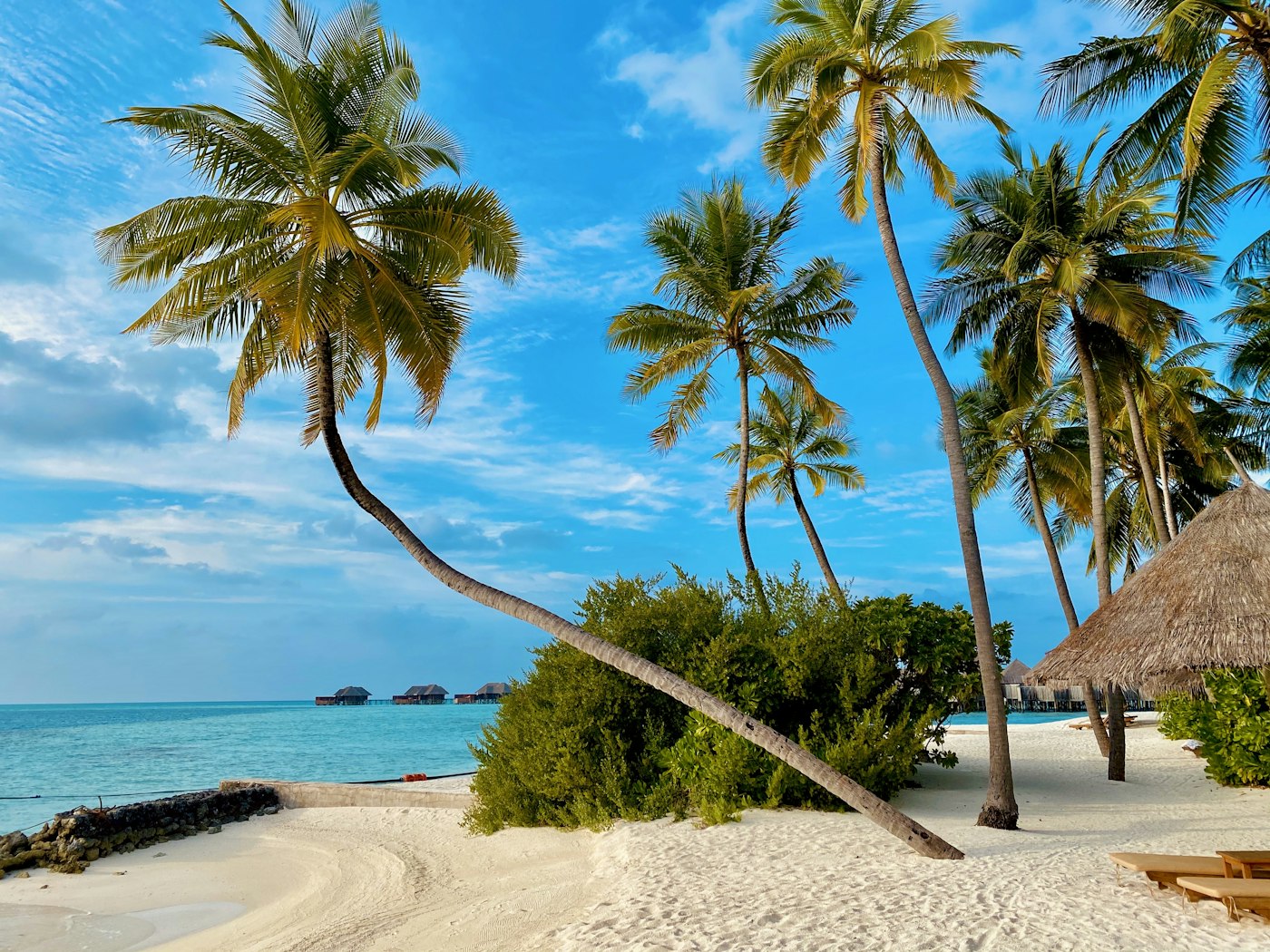
Fiji — The Happiest Place on Earth
333 islands of turquoise water, pristine coral reefs, and the warmest welcome in the South Pacific. "Bula" — and you're already there.
Why Visit Fiji?
Fiji is consistently voted the friendliest destination on earth — and with 333 islands scattered across the South Pacific, it delivers on every tropical fantasy. The Mamanuca Islands are 30 minutes from Nadi by fast catamaran. The Yasawa Islands offer more remote, uncrowded island-hopping. The Great Astrolabe Reef and Beqa Lagoon are world-class dive destinations with sharks, rays, and soft coral gardens of extraordinary colour. Fijian culture is warm, generous, and deeply communal.
Key Highlights
- Yasawa Island chain — remote island-hopping on traditional ferries
- Mamanuca Islands — accessible day trips or resort stays from Nadi
- Beqa Lagoon shark diving — the world's most famous shark feed dive
- Tavoro Waterfalls in Bouma Heritage Park, Taveuni
- Traditional Fijian village visits and kava ceremony
- Overwater bure stays at Likuliku Lagoon or Tokoriki Island Resort
- Snorkelling the Rainbow Reef off Taveuni — Fiji's soft coral mecca
Best for
Fiji — Quick Facts
Capital
Suva
Currency
Fijian Dollar (FJD) (FJD)
Population
930,000
Language(s)
English, Fijian, Hindi
Time Zone
FJT (UTC+12)
Driving Side
Left-hand traffic
Power Plugs
Type I
Card Acceptance
Cards at resorts; carry FJD cash for local islands and markets
Typical Daily Budget
FJD 80–130/day (~$36–59) / FJD 300–600/day (~$136–272) / FJD 1,500+/day (~$680+) (budget / mid / luxury)
Emergency Numbers
Police: 917 · Ambulance: 911 · Fire: 911
Destinations in Fiji
Explore cities, regions, and experiences across Fiji.
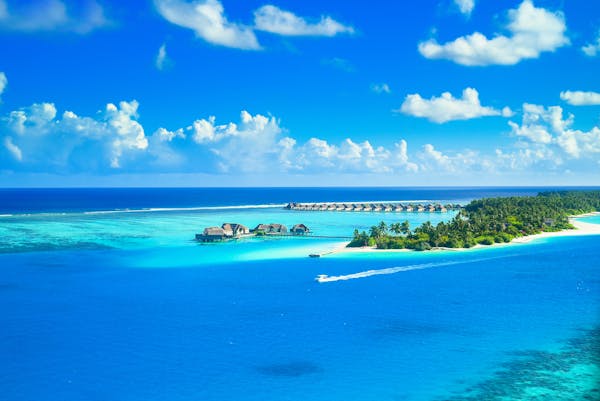

Best Time to Visit Fiji
Fiji's dry season (May–October) offers the best conditions — lower humidity, less rain, and optimal diving visibility. The wet season (November–April) brings cyclone risk (peaking January–March) but also lush green landscapes and lower resort prices. Diving is good year-round but best May–October.
May – Oct
Dry Season (Best)
Cooler, lower humidity, clearest waters. Best visibility for diving and snorkelling. Peak resort season.
Nov – Apr
Wet Season
Cyclone risk increases January–March. More affordable resorts. Lush, green landscapes. Most days still sunny with afternoon showers only.
Jul – Sep
Whale Watching
Humpback whales migrate through Fijian waters July–October. Snorkelling with whales on offer from some Yasawa operators.
Fiji — Travel Budget Guide
Fiji has a broad budget range. Budget island-hoppers using the Yasawa Flyer ferry and dorm bures can travel for $35–60/day. Mid-range resorts in the Mamanucas average $150–300/night. Luxury overwater bures at the top properties can exceed $1,000/night.
Budget Island Hopper
FJD 80–130/day (~$36–59)
Yasawa Flyer pass, budget bure dorm or fan room, local meals, snorkelling off the beach.
Mid-Range Resort
FJD 300–600/day (~$136–272)
Mamanuca or outer island resort, private bure, meals included, guided diving and excursions.
Luxury Overwater
FJD 1,500+/day (~$680+)
Likuliku Lagoon, Kokomo Private Island, or Turtle Island — all-inclusive luxury, private beaches, overwater bures.
Fiji Safety Overview
Low RiskFiji is a safe destination for tourists. Crime against visitors is uncommon. The main risks are marine — always check for strong currents before snorkelling or diving, and heed local advice about reef conditions. Cyclone monitoring (November–April) is important during wet season.
- Respect village customs — dress modestly when visiting villages, remove shoes, and bring kava as a gift.
- Never turn your back on the ocean — strong currents can occur even in calm-looking lagoons.
- Apply reef-safe sunscreen only — chemical sunscreens are damaging to coral and banned in some areas.
- Cyclone season (Nov–Apr) — check Fiji Meteorological Service for forecasts during this period.
- Tap water quality varies — bottled water is recommended outside major resorts.
Getting Around Fiji
Nadi International Airport is the main hub. The Mamanuca Islands are reached by fast catamaran (South Sea Cruises, 30–90 minutes). The Yasawa Islands are served by the Yasawa Flyer ferry (7–10 hours to the northern islands). Domestic flights on Fiji Link connect Suva, Savusavu, and Taveuni.
Fast Catamaran (Mamanuca)
South Sea Cruises connects Nadi Port Denarau to Mamanuca islands in 30–90 minutes. Multiple daily departures. Buy combo day-trip packages.
Yasawa Flyer
The classic Yasawa island-hopping ferry departs Nadi daily at 8am. Stops at all Yasawa islands. Buy a multi-day Bula Pass for unlimited island-hopping.
Fiji Link (Domestic Flights)
Connects Nadi to Suva, Savusavu, and Taveuni. Saves hours of road or ferry travel for longer islands.
Local Buses & Taxis
Cheap local buses connect Nadi, Suva, and the Coral Coast on Viti Levu. Taxis are metered in Nadi; agree fares outside the capital.
Fiji — Connectivity & eSIM
Fiji has 4G in Nadi, Suva, and main tourist zones. Outer Yasawa islands may have limited 3G only. Vodafone Fiji and Digicel are the main operators. Local SIMs are cheap and available at Nadi airport. International eSIMs from Airalo work in main tourist areas.
Popular destinations
Where to stay in Fiji
Live rates across Booking.com, VRBO, Expedia and Hotels.com — no extra cost to you.
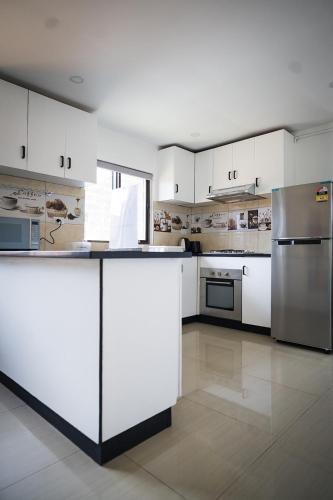
Malhana Apartments

Nadarivatu Homestay Fiji
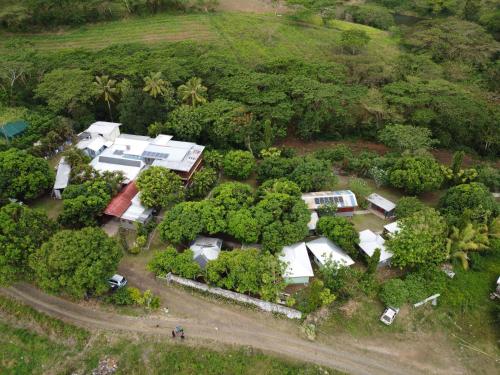
Outback Retreat/Hotel, Ba Fiji

Eco Adventure Camp, Lodge and Tours Pte Limited
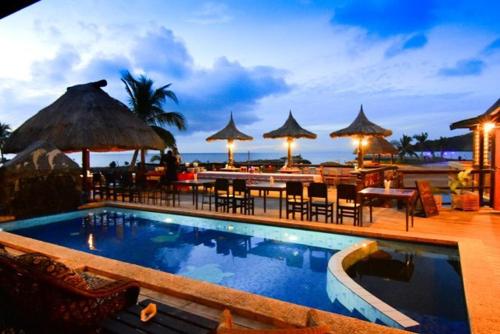
Golden Point Resort

Raluve BnB

Tovuka House Scuba too

Joji and Alisi Place

The Golfing Shepherd
Live rates across our partner network (Booking.com, VRBO, Expedia, Hotels.com) via Stay22. Makutet may earn a commission when you book — at no extra cost to you. Prices update in real time and may vary before booking.
Flights to Fiji
Compare fares across hundreds of airlines and book directly — no extra cost to you.
Prices update in real time and may vary before booking.
Fiji Travel Intelligence
Guides, watch alerts, and planning resources for Fiji.
Fiji — Frequently Asked Questions
Ready to plan your Fiji trip?
Use Makutet's AI tools to build the perfect itinerary in minutes.