Is Europe Still Safe to Visit in 2026? A Traveller's Guide to Protests, Overtourism and Smart Destination Choices
Europe remains one of the world's most visited and most comprehensively safe travel regions. But headlines about protests, overtourism backlash and transport strikes have created genuine uncertainty among travellers. This report separates media noise from measurable risk — and gives you the practical intelligence to plan confidently.
Europe · Travel Intelligence Report · Updated June 2026
Makutet Verdict
Yes — Europe is safe to visit in 2026.
Europe receives over 700 million international tourist arrivals annually and consistently ranks among the world's safest travel regions. The risks travellers actually face — pickpocketing, transport disruption, tourist-area crowding — are manageable with standard preparation. The media narrative significantly overstates threat to individuals. This guide explains the reality, highlights the safest destinations and gives you practical tools to travel with confidence.
The Events Making Headlines
To understand travel risk accurately, it is important to understand what has actually been happening across Europe and to distinguish between events that generate significant media coverage and events that meaningfully affect tourists on the ground.
Overtourism Protests in Spain
Several Spanish cities — most prominently Barcelona, Mallorca and the Canary Islands — have seen organised protests by residents frustrated with the impact of mass tourism on housing affordability, local culture and public resources. In Barcelona, demonstrations including groups spraying tourists with water guns made international headlines. These protests reflect genuine social tensions but have not resulted in any significant threat to tourists. The practical travel impact has been occasional access disruption to specific areas on protest days.
Transport Strikes in France
France has an established tradition of labour action, and transport strikes affecting trains, the Paris Metro and domestic flights occur with some regularity. These strikes cause genuine disruption for travellers with fixed schedules — missed connections, cancelled trains and crowded alternative transport. However, they are typically announced in advance, and affected services resume within 24–72 hours. Travellers with flexible itineraries and travel insurance are well-protected.
Large Demonstrations in European Capitals
European capital cities periodically host large-scale demonstrations on a range of issues. Paris, Berlin, London and Brussels are regular venues for significant public gatherings. These events are almost always peaceful — European protest culture is mature and protest policing is well-developed. The travel impact is primarily spatial (certain areas become inaccessible) and logistical (transport routes may be modified). Tourists are not the target of any of these events.
Crowd Management at Major Events
Major sporting tournaments, festivals and cultural events create peak demand in European cities that can temporarily exceed infrastructure capacity. This manifests as accommodation price spikes, transport congestion and queuing at major attractions. Events like Champions League finals, major music festivals and national celebrations create concentrated crowds. For travellers, this means that advance planning, early booking and flexibility around event schedules significantly improves the experience.
Geopolitical Context
The broader European geopolitical environment includes the ongoing conflict in Ukraine. This conflict is geographically contained to specific areas of Eastern Europe and does not directly affect mainstream tourist destinations in Western or Central Europe. Western European countries, Mediterranean Europe and the Nordic countries operate entirely normally. Travellers should exercise standard caution regarding Eastern European borders but have no reason to avoid destinations like Italy, France, Spain, Croatia, Portugal or any of the Nordic countries.
Media perspective note: Events in Europe receive disproportionate global media coverage due to Europe's cultural and economic prominence. A protest in Barcelona or a strike in Paris generates far more international coverage than equivalent events in destinations considered 'exotic' by Western media. This creates a perception gap between the volume of coverage and the actual risk level for tourists.
What Risks Do Tourists Actually Face in Europe?
A rigorous assessment of tourism risk in Europe must be grounded in the actual experiences of the hundreds of millions of visitors who travel there each year — not in the most alarming headlines. Here is an honest breakdown of the realistic risk landscape.
Pickpocketing & Bag Theft
The most common crime affecting European tourists. High-risk areas include crowded transport, market areas and major tourist sites. Barcelona's Las Ramblas, Paris's Eiffel Tower area and Rome's Colosseum are well-documented hotspots. Use a money belt or anti-theft bag, keep phones in front pockets and stay aware in crowds.
Tourist Scams
Common scams include friendship bracelet hustlers in Paris, shell game operators, fake charity collectors and card-reading fortune tellers. These are primarily concentrations around major tourist sites. Confident body language and ignoring approaches resolves most attempts. Never accept items pressed into your hands.
Transport Disruption
Strike action in France, Italy and Spain can cause significant disruption. Monitor local news before travel days, have backup transport options planned and buy travel insurance that covers trip interruption. Apps like Rome2Rio and Google Maps provide real-time rerouting during disruptions.
Violent Crime
Violent crime affecting tourists in Western and Central Europe is statistically very rare relative to visitor numbers. Major European cities have comprehensive policing, CCTV coverage and well-staffed emergency services. The vast majority of tourists complete European trips without any violent incident.
Protest Disruption
Protests in European cities are overwhelmingly peaceful. The main tourist impact is access disruption and local atmosphere changes on the day. Monitoring local events calendars and news before travel days allows easy avoidance of demonstration routes.
Tourist Trap Pricing
Restaurants, taxi services and shops in peak tourist zones charge significantly above local prices. Research areas before visiting, use navigation apps with price-rated restaurants, pre-book transport where possible and walk two streets away from any major site for authentic local pricing.
Petty Fraud
Card skimming, ATM manipulation and overcharging in bars and restaurants occur in some tourist areas. Use ATMs inside bank branches, check your statement regularly during travel and always confirm prices before ordering where pricing is unclear.
Health & Medical
Europe has world-class healthcare infrastructure. EU citizens benefit from EHIC/GHIC coverage. Non-EU visitors need comprehensive travel insurance with medical cover. Hospitals are modern and English-speaking staff are common in tourist areas. Emergency number across Europe: 112.
Statistical context: Europe receives approximately 700 million international tourist arrivals per year (UNWTO data). The proportion of visitors who experience a violent incident is a fraction of a percentage point. Travellers are statistically more likely to experience weather disruption, a delayed flight or a minor illness than any form of security incident. Standard travel precautions are sufficient for the vast majority of European destinations.
Europe's Safest Destinations in 2026
These destinations offer outstanding travel experiences combined with genuinely low crime rates, excellent infrastructure and a welcoming attitude to visitors. Each represents a compelling case for choosing substance over hype.

🌊 Croatia
Dalmatian Coast, Dubrovnik, Plitvice Lakes
9.2
Safety Index
Croatia combines spectacular Adriatic coastline, UNESCO World Heritage cities like Dubrovnik and Split, and remarkably low violent crime rates. The country has invested heavily in tourism infrastructure while maintaining a strong sense of local culture. Split is emerging as a major digital nomad hub, while the Dalmatian islands offer family-friendly beach holidays far from the crowds of Western Europe.
Read our Croatia guide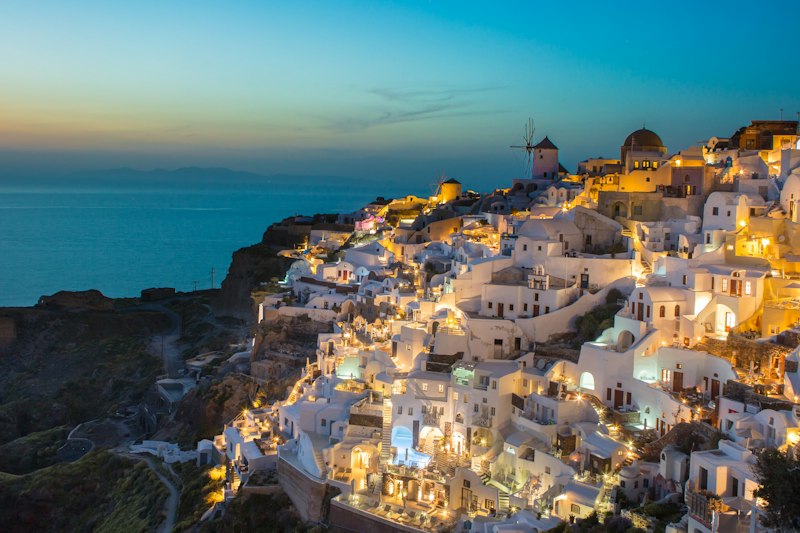
🏔️ Slovenia
Lake Bled, Ljubljana, Triglav National Park
9.4
Safety Index
Slovenia is one of Europe's best-kept secrets and among its safest countries. Despite bordering Austria and Croatia, it sees a fraction of their tourist numbers, meaning exceptional value and manageable crowds. Ljubljana — the capital — is a charming, walkable city with an exceptional food and coffee culture. Lake Bled is among the most photographed spots in Europe. Crime rates are among the lowest on the continent.
🎼 Austria
Vienna, Salzburg, Hallstatt, Alpine villages
9.5
Safety Index
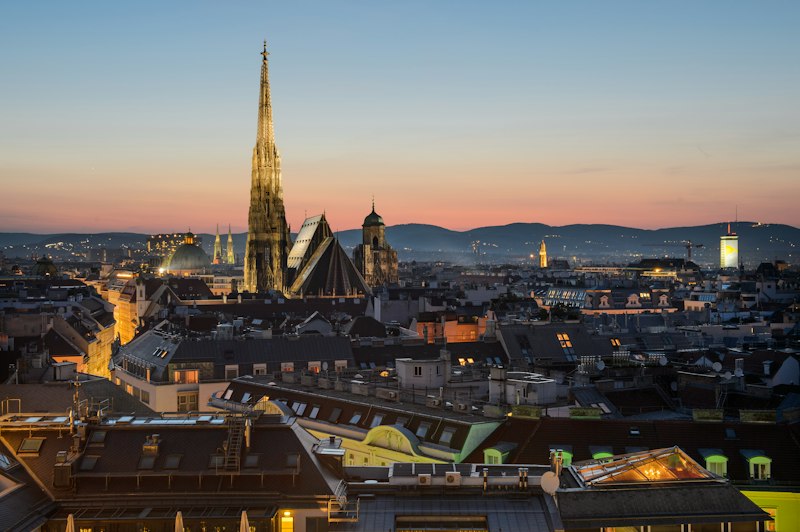
Austria is one of Europe's most consistently safe and well-organised travel destinations. Vienna has repeatedly topped global liveability rankings and offers an extraordinary concentration of world-class museums, concert halls and coffee houses. Salzburg and Innsbruck appeal to travellers seeking a blend of culture and outdoor activity. Family infrastructure is excellent throughout the country.
🏔️ Switzerland
Alps, Zurich, Geneva, Lucerne, Interlaken
9.7
Safety Index
Switzerland consistently ranks as one of the safest countries in the world. The country's neutrality, stable governance and exceptional living standards translate into a travel environment with minimal crime and excellent infrastructure. It is expensive — among Europe's priciest destinations — but the quality of experience, from the Alps to the lakeside cities of Geneva, Zurich and Lucerne, is unmatched.
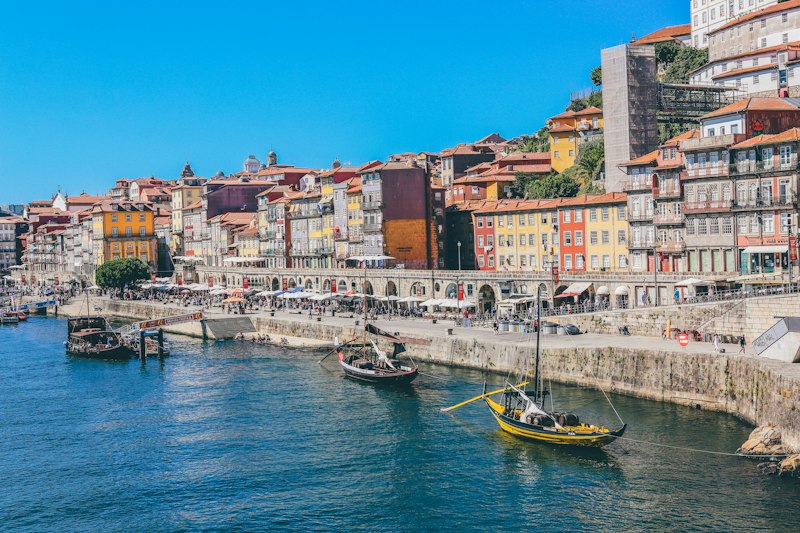
🌞 Portugal
Lisbon, Porto, Algarve, Douro Valley, Azores
9
Safety Index
Portugal has become one of Europe's most sought-after destinations and consistently ranks among its safest. Lisbon and Porto offer extraordinary food, architecture and culture at costs significantly below Western European capitals. The Algarve coast has long been a family staple. Portugal's Digital Nomad Visa made it a global benchmark for remote worker policy, and a thriving international community has established itself across the country.

🏛️ Malta
Valletta, Gozo, Blue Lagoon, ancient temples
8.9
Safety Index
Malta offers a compelling combination of Mediterranean climate, fascinating history (with some of the oldest free-standing structures on Earth), and genuine safety. It is the European Union's smallest member state yet punches well above its weight as a travel destination. English is widely spoken throughout the islands, making it one of Europe's most accessible destinations for UK and international travellers. Crime rates are very low.
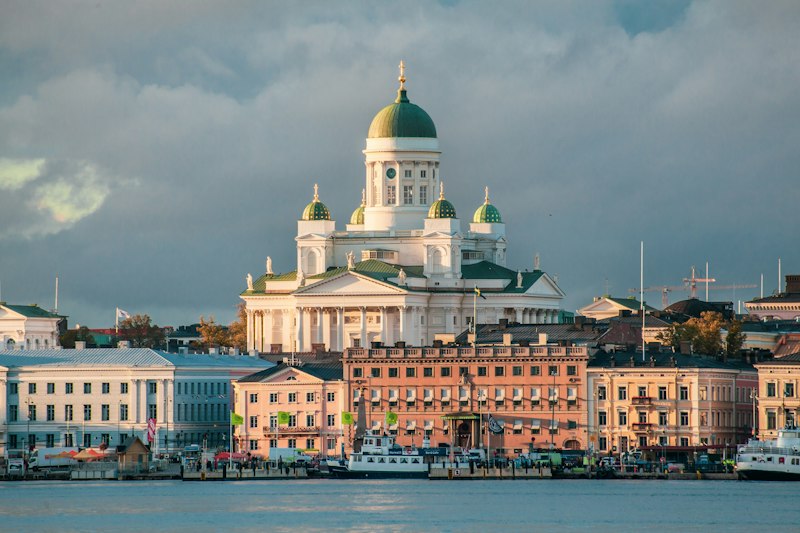
🌲 Finland
Helsinki, Lapland, Northern Lights, Finnish lakes
9.8
Safety Index
Finland consistently ranks as one of the happiest and safest countries in the world. Helsinki is a clean, walkable, remarkably liveable capital with outstanding design culture, waterfront dining and excellent public transport. The Finnish Lapland is one of the most extraordinary natural experiences in Europe — Northern Lights, reindeer and glass-roofed cabin accommodation. Crime rates are negligible by global standards.
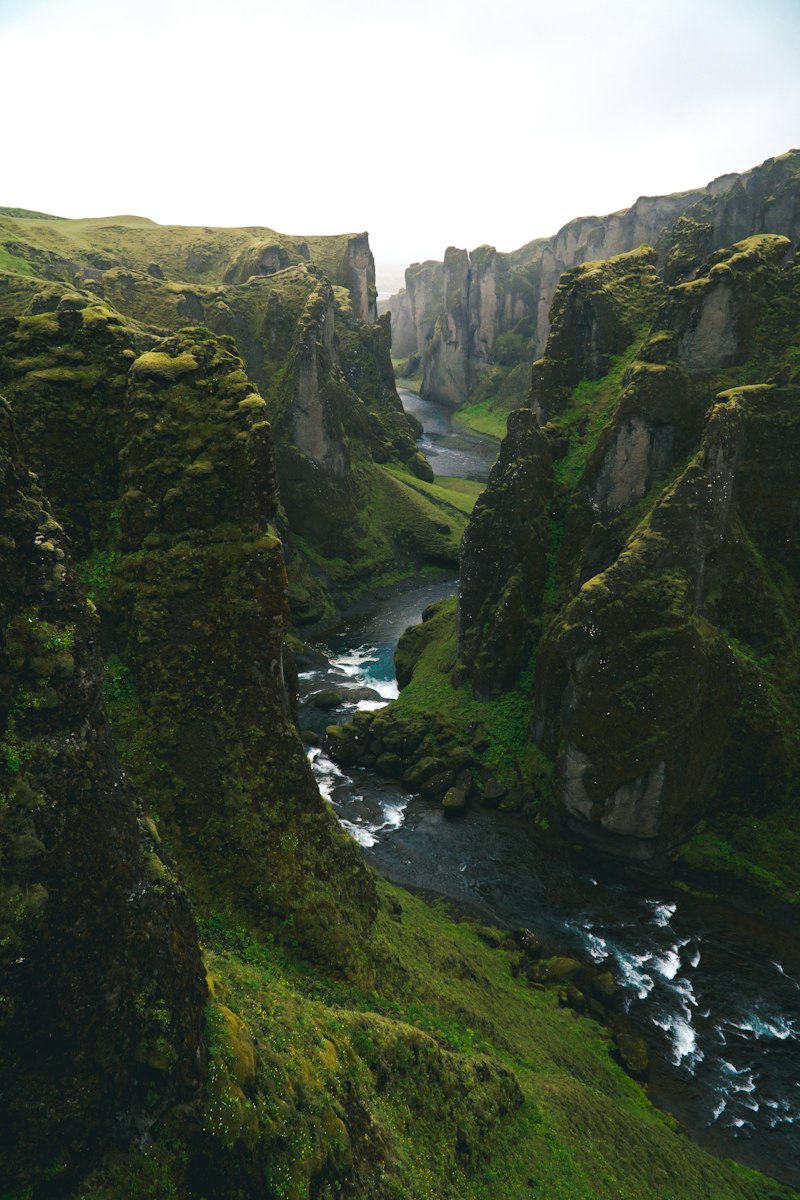
🌋 Iceland
Ring Road, Northern Lights, Blue Lagoon, Golden Circle
9.9
Safety Index
Iceland is statistically the safest country in the world by the Global Peace Index. Crime is virtually non-existent. The country offers some of the world's most dramatic natural landscapes — geysers, glaciers, waterfalls, volcanic terrain and the Northern Lights. It is expensive, but the experience is genuinely extraordinary and unlike anywhere else in Europe. Solo female travellers in particular rate Iceland as their safest travel experience globally.
Find Accommodation in Europe's Safest Destinations
Live hotel availability across Croatia, Portugal, Slovenia, Austria, Malta, Finland and Iceland.
Destinations Experiencing Tourism Pressure
These destinations remain popular for excellent reasons — they are extraordinary places. But each is experiencing genuine pressures from overtourism, with implications for the quality and comfort of the visitor experience. Understanding these pressures allows you to either plan around them, or consider the smart alternative destinations below.
Barcelona
Issue: Overtourism protests, pickpocketing
Barcelona faces a genuine and documented overtourism challenge. Locals have organised protests — including spraying tourists with water guns — to highlight the pressure that mass tourism places on housing, prices and public spaces. For tourists, the practical risk is primarily pickpocketing on Las Ramblas and at beach areas, plus occasional march-related transport disruption. The city remains one of Europe's most vibrant destinations and continues to receive millions of satisfied visitors.
Smart Alternative
Valencia
Same Mediterranean energy, food culture and beach access with a fraction of the crowds and significantly lower prices.
Venice
Issue: Overtourism, day-tripper crowds, entry fees
Venice has become a symbol of overtourism globally. The city now charges a day-tripper entry fee during peak periods and continues to battle with the environmental and social strain of receiving 20+ million visitors annually in a city of around 50,000 residents. Costs are high, queues are long and the experience increasingly feels manufactured for tourists rather than authentic. The city remains extraordinary but is best visited outside peak season.
Smart Alternative
Ljubljana, Slovenia
Comparable canal city charm, medieval architecture and walkable riverside culture — with virtually none of the crowds.
Amsterdam
Issue: Overtourism, stag party disruption, high costs
Amsterdam has actively worked to discourage certain types of tourism — particularly large stag parties — through a combination of policy changes and public communication. The canal district is genuinely beautiful but increasingly expensive and crowded. The city has moved to reduce tourist accommodation in the historic centre, which means higher prices for those who do visit. It remains a highly sophisticated and enjoyable destination for culture-focused travellers.
Smart Alternative
Utrecht
30 minutes from Amsterdam by train. Smaller canals, fewer tourists, better café culture and significantly lower prices.
Mallorca
Issue: Overtourism, summer crowds, resort saturation
Mallorca has been a UK holiday staple for decades but increasingly struggles with the volume of visitors to its southern resorts. The island's interior and northern coastline remain genuinely beautiful and less impacted, but the mass-market resort zones around Palma Nova and Magaluf face real overcrowding during peak summer months. Local protests about tourist volumes and their impact on housing affordability have grown.
Smart Alternative
Albania's Riviera
Pristine Ionian beaches, dramatically lower prices, minimal crowds and extraordinary mountain-meets-sea landscapes.
Paris
Issue: Large demonstrations, pickpocketing, transport strikes
Paris's global stature means any event there receives intense international media attention. The city has experienced large demonstrations and transport strikes that can cause significant disruption. The Eiffel Tower area, Montmartre and the Metro are notorious pickpocketing hotspots. However, violent incidents affecting tourists remain statistically very rare relative to visitor numbers. Paris remains a world-class destination — travellers simply need to take basic precautions.
Smart Alternative
Strasbourg
French culture, incredible cuisine, beautiful old town (La Petite France) and German influence — without Paris's scale, cost or crowds.
Quick Comparison: Crowded vs Smart Alternative
| Crowded Destination | Smart Alternative | Why Switch? |
|---|---|---|
| Barcelona 🇪🇸 | Valencia 🇪🇸 | Same Med climate & food culture, 40% lower prices, far fewer crowds |
| Venice 🇮🇹 | Ljubljana 🇸🇮 | Canal charm without the chaos, better value, more authentic |
| Amsterdam 🇳🇱 | Utrecht 🇳🇱 | 30 min away, same canals, better café scene, lower costs |
| Mallorca 🇪🇸 | Albania Riviera 🇦🇱 | Stunning beaches, dramatically cheaper, virtually zero crowds |
| Paris 🇫🇷 | Strasbourg 🇫🇷 | French culture, beautiful old town, none of the tourist scrum |
Find Flights to Europe's Best-Value Destinations
Compare routes to Ljubljana, Valencia, Croatia, Tallinn, Lisbon and all European destinations.
Search European FlightsHow to Travel Safely Anywhere in Europe
These practical measures significantly reduce the small but real risks that European travel presents, and apply regardless of which destination you choose.
Travel Insurance
Non-negotiable. Ensure your policy covers medical expenses, trip interruption, strike action, emergency repatriation and personal liability. Check the policy's protest and civil unrest clause. World Nomads and similar specialist providers offer strong European coverage.
Emergency Contacts
Save 112 (EU emergency number) and your country's embassy number before every trip. Keep a physical copy of your passport separate from the original. Register with your government's travel advisory service (FCDO, Smart Traveller, etc.) where available.
Transport Apps
Download Rome2Rio, Omio, Google Maps and local apps before arrival. These provide real-time routing, strike alerts and alternative transport options. Having routes pre-downloaded offline is useful in areas with poor connectivity.
Accommodation Selection
Staying slightly away from primary tourist zones reduces pickpocketing exposure, noise and price inflation. Areas two or three Metro stops from major sites typically offer better value, more authentic local life and lower crime concentrations.
Demonstration Awareness
Check local news and city event calendars on the day of any significant travel. Protest routes are typically announced in advance. Avoid demonstration areas — not for safety reasons but to avoid crowds and access restrictions. Most demonstrations are entirely peaceful.
Crowd Awareness
Crowded tourist areas are the primary environment for pickpocketing. Use a crossbody bag or money belt for valuables. Keep phones in front pockets. Be especially aware at major sights, busy markets and on public transport in peak tourist cities.
Digital Security
Use a VPN on public WiFi networks. Keep travel documents in secure cloud storage (not just on device). Enable remote wipe on your phone. Use a dedicated travel credit card with fraud protection for purchases.
Emergency Planning
Establish a check-in protocol with someone at home. Know the location of your nearest hospital. Have a cash reserve separate from your main wallet. Plan your return route from any major gathering or event venue before attending.
Universal emergency number: 112 connects to emergency services (police, ambulance, fire) in all EU member states, and also works in many non-EU European countries. Save this number before you travel.
Safest European Destinations for Families
Family travel in Europe requires destinations that combine safety, age-appropriate activities, good accommodation options and manageable crowds. These destinations consistently receive the highest ratings from family travellers.
Croatia — Istria & Dalmatia
Crystal-clear shallow swimming coves, ancient walled towns children love, excellent family accommodation from apartments to beach resorts. Istria is quieter and less commercialised than the southern islands.
Best areas: Pula, Rovinj, Split, Hvar
Austria — Salzburg & Tyrol
World-class family activities from Sound of Music history to Alpine adventure. Excellent infrastructure, superb family hotels, clean cities and remarkable food culture. Winter ski or summer hiking both work brilliantly.
Best areas: Salzburg, Innsbruck, Hallstatt
Portugal — Algarve
The Algarve has been a UK family staple for decades. Golden sand beaches, calm Atlantic waters in sheltered coves, good English-language infrastructure and flight connections from across the UK. Inland Alentejo offers excellent farmhouse accommodation.
Best areas: Lagos, Albufeira, Tavira, Vilamoura
Malta
English widely spoken throughout. Compact enough to explore easily with children. Excellent child-friendly beaches on Gozo and at Golden Bay. Ancient temples and fortifications provide genuine historical education. Warm dry climate reliably from April to October.
Best areas: Valletta, Mdina, Gozo, Golden Bay
Switzerland — Lakes
Switzerland's lake regions offer calm, crystal-clear water swimming, boat trips, mountain railways and exceptional family accommodation. Safe, clean, organised. Premium pricing is offset by the quality and reliability of the experience.
Best areas: Lucerne, Lake Geneva, Interlaken, Lugano
Finland — Lakes & Lapland
World's happiest country for good reason. Lapland offers the magical Northern Lights and Santa Claus Village experiences. Finnish lake districts offer cabin accommodation with kayaking, swimming and sauna culture. Virtually zero crime. Excellent child-friendly infrastructure.
Best areas: Rovaniemi, Tampere, Finnish Lakeland
Family Hotels — Croatia, Adriatic Coast
Powered by Stay22 · Live pricing
We may earn a commission on bookings at no extra cost to you.
Safest European Destinations for Solo Travellers
Solo travel in Europe is widely considered one of the safest solo travel environments globally. These destinations are particularly noted for their welcoming atmosphere, strong hostel and social infrastructure, and straightforward transport networks.
Iceland
Statistically the safest country in the world. Solo female travellers rate Iceland as their number one global destination. Self-drive Ring Road trips are genuinely feasible and safe alone. Near-zero crime.
Practical tip: Rent a car or join group tours for the Ring Road. Hostels excellent in Reykjavik.
Portugal — Lisbon & Porto
Exceptional solo infrastructure. Lisbon and Porto have some of Europe's best hostel networks, excellent public transport and a genuinely welcoming culture. Strong solo-traveller community with regular organised events.
Practical tip: Hostel social scene excellent. Easy day trips from both cities. Budget-friendly.
Croatia — Split & Dubrovnik
Strong backpacker and solo traveller infrastructure along the Dalmatian coast. Island-hopping by ferry is easy to do solo. Hostel social scenes in Split are particularly well-developed.
Practical tip: Catamaran and ferry connections make island hopping straightforward solo.
Estonia — Tallinn
Medieval old town, ultra-safe city, excellent digital infrastructure. Tallinn has a thriving hostel scene and international community. Compact enough to navigate easily. Very low crime rates.
Practical tip: Compact enough to explore entirely on foot or by tram.
Netherlands — Utrecht
University city with a young, international population. Cycling infrastructure is excellent. Highly safe, very welcoming to solo international visitors. Less crowded and more affordable than Amsterdam with a comparable café and culture scene.
Practical tip: 30 minutes from Amsterdam Schiphol airport by direct train.
Sweden — Stockholm
Exceptional liveable city with strong solo-travel infrastructure. Safe, well-connected, outstanding museums and a world-class food scene. Mid-to-premium pricing but extraordinary quality of experience.
Practical tip: Excellent public transport. Scandinavian rail network provides easy regional travel.
Best European Destinations for Digital Nomads
Europe has emerged as one of the world's premier digital nomad regions — combining excellent infrastructure, established remote-worker communities, and an increasing number of dedicated digital nomad visa schemes. These cities lead the 2026 rankings.
Lisbon
Portugal
90/100
WiFi score
Café culture, mild weather, excellent co-working scene, strong expat community.
Split
Croatia
85/100
WiFi score
Mediterranean lifestyle, historic old town, beaches, growing remote worker scene.
Ljubljana
Slovenia
88/100
WiFi score
Compact, safe, walkable, excellent quality of life and emerging digital community.
Valencia
Spain
87/100
WiFi score
Sunshine, incredible food, less crowded than Barcelona, great cycling infrastructure.
Tallinn
Estonia
92/100
WiFi score
Tech-forward, medieval old town, excellent digital infrastructure, startup culture.
Helsinki
Finland
95/100
WiFi score
Ultra-safe, world-class design and food, excellent public services, summer midnight sun.
Europe Travel Costs in 2026
Europe spans an enormous price range — from sub-$60/day in the Western Balkans to $500+/day in Switzerland or Norway. Understanding cost tiers allows far better planning.
Budget Traveller
$60–80/dayBest-value destinations
Portugal, Croatia, Slovenia, Albania, Serbia, Romania
Accommodation
Hostels, budget guesthouses ($15–35/night)
Food
Local markets, cafés, bakeries ($12–20/day)
Transport
Buses, night trains, regional rail ($5–15/day)
Mid-Range Traveller
$120–200/dayBest-value destinations
Spain, Italy, Austria, Malta, Czech Republic, Greece
Accommodation
3-star hotels, boutique stays ($65–120/night)
Food
Mix of local and mid-range restaurants ($30–55/day)
Transport
Trains, car hire, budget flights ($20–40/day)
Premium Traveller
$280–500/dayBest-value destinations
Switzerland, France, Norway, Iceland, UK, Denmark
Accommodation
4–5 star hotels, design properties ($180–350/night)
Food
Quality restaurants, wine, fine dining ($80–150/day)
Transport
Business rail, private transfers, taxis ($50–80/day)
Hotels Across Europe — Live Availability
Powered by Stay22
We may earn a commission on bookings at no extra cost to you.
Compare Flights to Budget-Friendly European Destinations
Croatia, Portugal, Slovenia, Albania and Eastern Europe. Find the best routes and prices.
How Makutet Helps You Plan Your European Trip
Makutet brings together destination research, trip planning tools, flight and hotel comparison, and pre-departure organisation in one platform — purpose-built for travellers who want to make informed decisions.
Travel Tools
Compare costs, plan routes and build your European itinerary.
Destinations
In-depth destination guides across all European destinations.
Makutet Mantra
Build your complete trip plan and reduce pre-departure anxiety.
Travel With Confidence, Not Anxiety
Constant news coverage of protests, strikes, overtourism and security incidents can make travel feel overwhelming — even when the actual risk is low. The volume of information available to modern travellers has created a new challenge: separating signal from noise and making clear-headed decisions about where and how to go.
Makutet Mantra is designed to replace travel anxiety with structured, calm preparation. It walks European travellers through every element of their trip in sequence — from destination comparison and flight booking through to accommodation selection, ground transport, activity planning and pre-departure organisation. When every element is confirmed and visible in one place, the noise of news cycles stops mattering.
🗺️
Destination clarity
😌
Reduce pre-trip anxiety
✅
Everything confirmed
✈️
Arrive prepared
Common Questions About European Travel Safety
Final Verdict: Is Europe Safe to Visit in 2026?
Yes. Unequivocally.
Europe is one of the world's most visited travel regions and one of its safest. The 700+ million international tourist arrivals it receives annually are a clearer signal of its appeal and security than any news headline. The risks that travellers actually face — pickpocketing, the occasional transport strike, tourist-area crowding — are entirely manageable with standard preparation.
The overtourism pressures in Barcelona, Venice and Mallorca are real, but they are an argument for choosing smarter alternatives — Valencia, Ljubljana, Albania's Riviera — rather than avoiding Europe. These alternatives offer comparable or superior experiences at better prices, with none of the crowding.
The destinations highlighted in this guide — Croatia, Slovenia, Portugal, Austria, Malta, Finland, Iceland — represent some of the finest travel experiences available anywhere in the world. They are safe, well-organised, extraordinarily beautiful and currently somewhat underrated relative to the headline destinations. Travellers who discover them rarely look back.
Travel well. Travel informed. Europe awaits.
Plan Your European Trip
Everything You Need for Europe 2026
Flights, hotels, destination guides and trip planning — all in one place.
This article is for general travel guidance only. Travel conditions, safety situations and entry requirements change frequently. Always check current Foreign Office (FCDO), State Department or Smart Traveller advisories for your specific destination before booking. Some links in this article are affiliate links — we may earn a small commission if you book through them at no extra cost to you.
Related European Travel Guides


Continue planning your trip
From this guide to your booking
You've learned what matters — now book it. These Makutet Toolkit tools connect Is Europe Safe to Visit in 2026? directly to trusted booking partners.