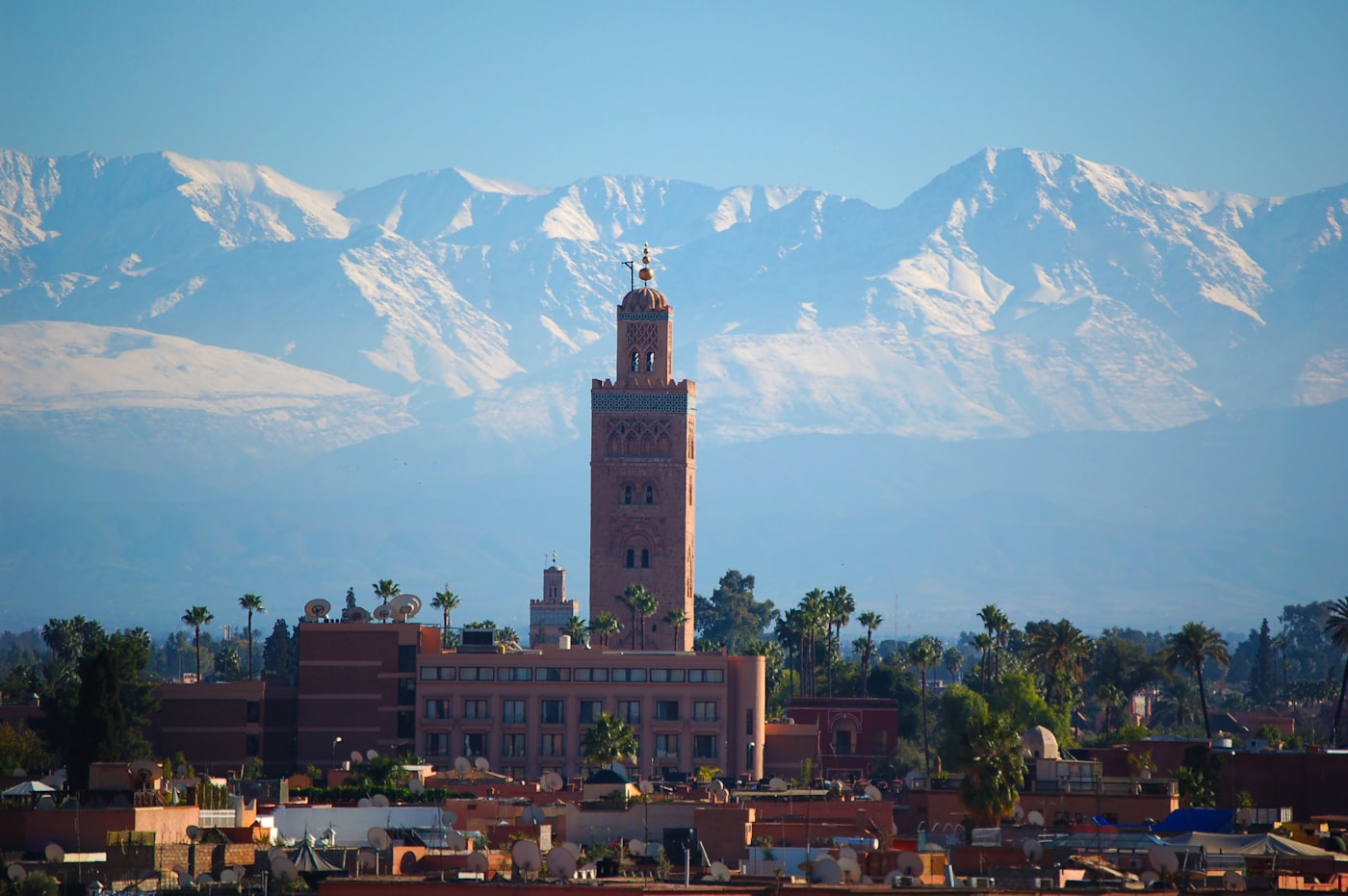
Morocco — Souks, Desert & Ancient Medinas
A sensory world of spices, riads, Berber villages, Saharan dunes, and some of the most intricate architecture on earth.
Why Visit Morocco?
Morocco sits at the crossroads of Africa, Arabia, and Europe, producing a culture unlike anywhere else. The ancient medinas of Marrakech, Fes, and Chefchaouen are UNESCO World Heritage labyrinths of craftsmen's workshops, towering minarets, and cool riad courtyards. Beyond the cities, the Sahara Desert offers camel treks and starlit bivouac camps, while the High Atlas Mountains shelter Berber villages unchanged for centuries.
Key Highlights
- Jemaa el-Fnaa square, Marrakech — snake charmers, storytellers, and food stalls at dusk
- Fes el-Bali medina — one of the world's largest car-free urban areas
- Sahara Desert camel trek and overnight camp at Erg Chebbi
- Chefchaouen — the Blue City in the Rif Mountains
- Majorelle Garden, Marrakech (restored by Yves Saint Laurent)
- High Atlas Mountains — trekking and Berber village homestays
- Essaouira coastal medina and surf breaks
Best for
Morocco — Quick Facts
Capital
Rabat
Currency
Moroccan Dirham (MAD) (MAD)
Population
38 million
Language(s)
Arabic, French, Tamazight (Berber)
Time Zone
WET (UTC+1)
Driving Side
Right-hand traffic
Power Plugs
Type C, Type E
Card Acceptance
Cash essential in medinas and souks; cards accepted at hotels and modern restaurants
Typical Daily Budget
MAD 300–500 (~$30–50) / MAD 700–1,200 (~$70–120) / MAD 2,500+ (~$250+) (budget / mid / luxury)
Emergency Numbers
Police: 19 · Ambulance: 15 · Fire: 15
Destinations in Morocco
Explore cities, regions, and experiences across Morocco.
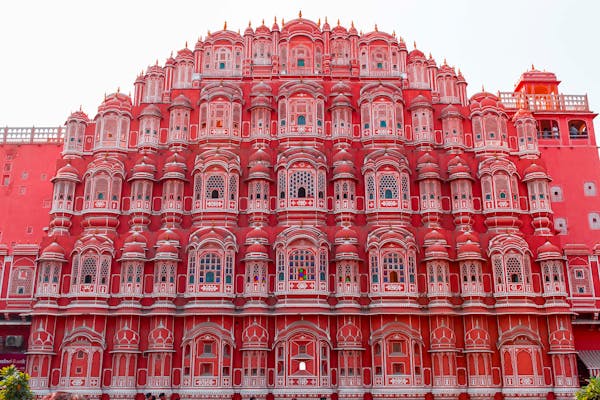

Best Time to Visit Morocco
Morocco is a year-round destination, but spring (March–May) and autumn (September–November) offer the most comfortable temperatures for exploring medinas and trekking. Summer is extremely hot in Marrakech and the desert interior. Coastal cities like Essaouira and Agadir are pleasant year-round.
Mar – May
Spring (Best Season)
Ideal temperatures for medina exploration and Atlas trekking. Wildflowers bloom. Rose harvest in the Dadès Valley in May.
Jun – Aug
Summer
Very hot inland (35–45°C in Marrakech). Coastal cities remain pleasant. Ramadan timing affects opening hours in some years.
Sep – Nov
Autumn (Also Excellent)
Comfortable temperatures return after the summer heat. Perfect for Sahara trips before the cold desert nights of winter.
Morocco — Travel Budget Guide
Morocco is excellent value for money. Riads (traditional guesthouses) in the medina can be found from $30/night, street food is extraordinary and cheap, and many of the best experiences — wandering souks, visiting mosques' exteriors, hiking — are free.
Budget Traveller
MAD 300–500/day (~$30–50)
Hostel or budget riad dorm, street food tagines and mint tea, local buses and shared taxis, free market wandering.
Mid-Range
MAD 700–1,200/day (~$70–120)
Private riad room, restaurant meals, private drivers for day trips, guided tours, spa hammam.
Luxury
MAD 2,500+/day (~$250+)
Boutique design riads, fine dining, private Sahara camp experiences, private guides.
Morocco Safety Overview
Low RiskMorocco is a safe destination for tourists with normal precautions. Violent crime against visitors is rare. The main issues are aggressive touting and unofficial "guides" in medinas — a firm "no thank you" and walking with purpose resolves most encounters. Solo female travellers should be prepared for unsolicited attention.
- In medinas, confident walking and a clear sense of direction reduces touting significantly.
- Agree on taxi fares before getting in — fixed rate apps (Careem) work in Marrakech.
- Photography: always ask permission before photographing people in markets.
- Dress modestly outside tourist areas — covered shoulders and knees are culturally appropriate.
- Ramadan: restaurants may be closed during the day. Respectful behaviour around fasting is expected.
Getting Around Morocco
Morocco has a well-developed transport network. The ONCF train connects Casablanca, Rabat, Fes, and Tangier efficiently. Supratours and CTM buses link cities not served by rail. Within medinas, walking is the only option — most are entirely car-free.
ONCF Train
Morocco's national rail links Casablanca, Rabat, Marrakech, Fes, and Tangier. Fast, comfortable, and affordable. Al Boraq high-speed rail on the Casablanca–Tangier route.
CTM / Supratours Buses
Comfortable coaches connecting cities the rail doesn't reach, including Agadir, Essaouira, and Ouarzazate.
Grand Taxi (Shared)
Fixed-route shared taxis connect towns and villages. Cheap but cramped — negotiate before boarding.
Private Driver
For Atlas Mountain and Sahara itineraries, hiring a driver with a 4WD is the most practical and cost-effective option ($40–80/day).
Morocco — Connectivity & eSIM
Morocco has reliable 4G coverage in all cities and major tourist areas. Marrakech, Fes, and Casablanca have strong networks. The Sahara and remote mountain areas have patchy or no coverage. Local SIMs from Maroc Telecom (IAM) or Orange are available at airports; international eSIMs from Airalo or Holafly work well.
Popular destinations
Where to stay in Morocco
Live rates across Booking.com, VRBO, Expedia and Hotels.com — no extra cost to you.
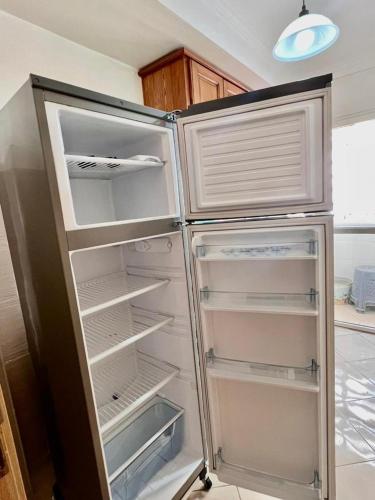
nice apaprt

Soyer les biens venus
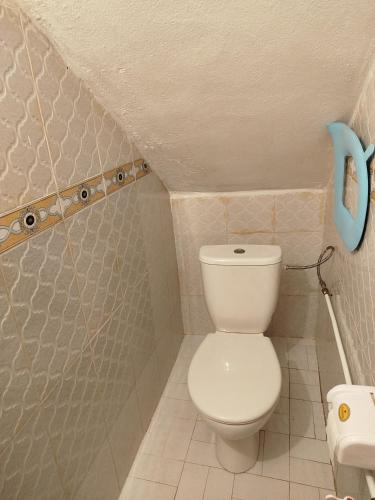
Appartement REDA

A new, lively apartment

Escape Villa City center pool 3 bedrooms

Appartement La Joie

Saidia

Appartement
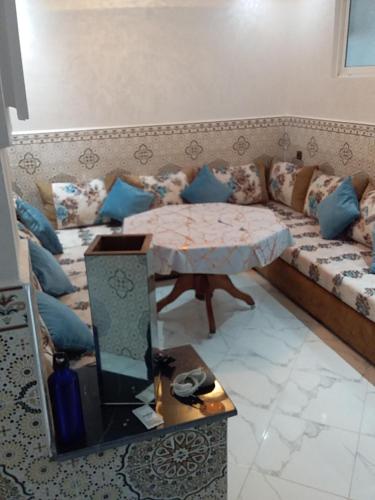
Appartement A Martil
Live rates across our partner network (Booking.com, VRBO, Expedia, Hotels.com) via Stay22. Makutet may earn a commission when you book — at no extra cost to you. Prices update in real time and may vary before booking.
Flights to Morocco
Compare fares across hundreds of airlines and book directly — no extra cost to you.
Prices update in real time and may vary before booking.
Morocco Travel Intelligence
Guides, watch alerts, and planning resources for Morocco.
Morocco — Frequently Asked Questions
Ready to plan your Morocco trip?
Use Makutet's AI tools to build the perfect itinerary in minutes.