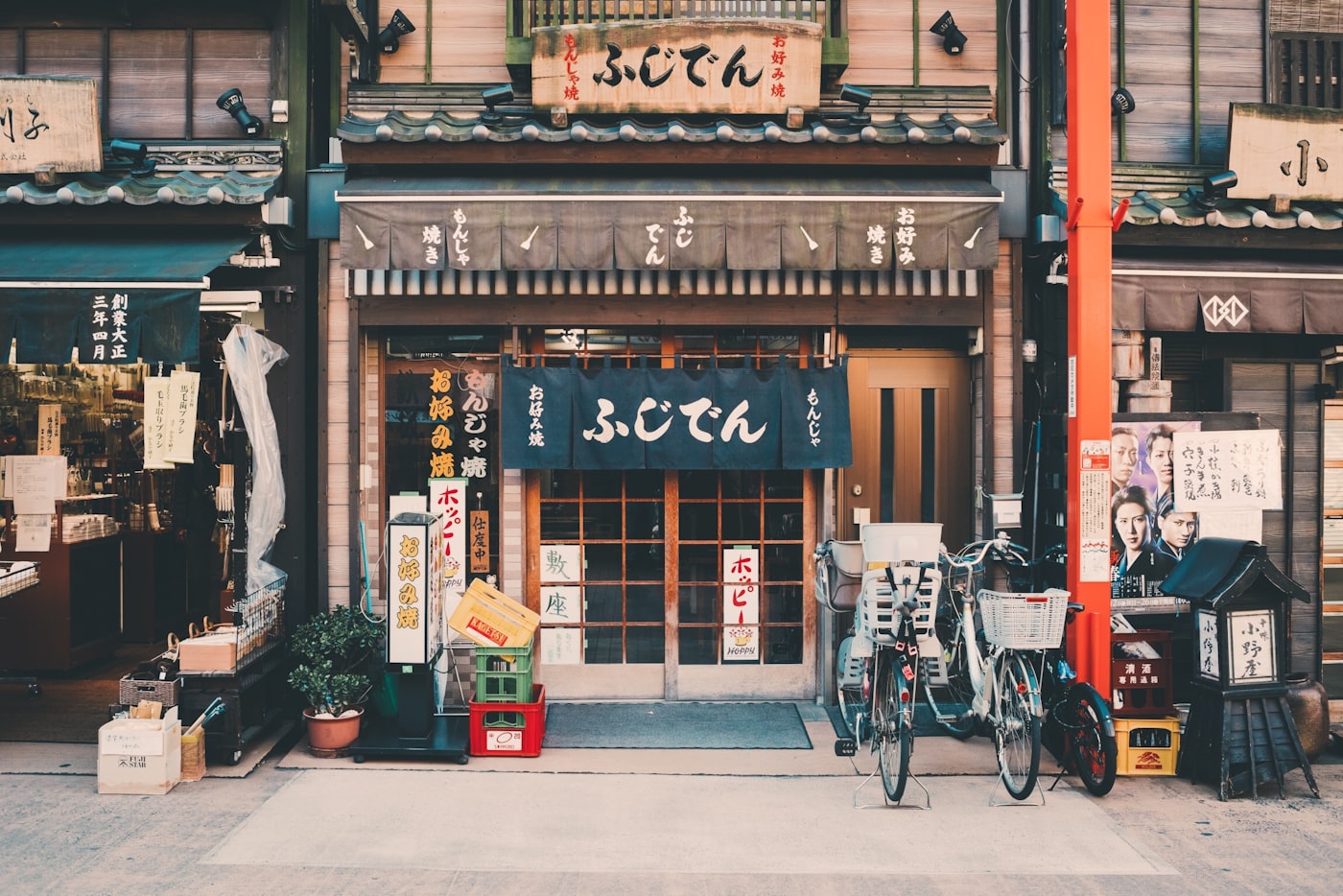
Japan — Ancient Traditions, Modern Marvels
Cherry blossoms and bullet trains, ryokan inns and robot restaurants — Japan is unlike anywhere else on earth.
Why Visit Japan?
Japan operates on a different wavelength to anywhere else. The contrast between hyper-modern Tokyo and the paper-screen quietude of a Kyoto temple district is jarring in the best possible way. Japan is one of the safest countries on earth, the food culture is without peer, and the rail network — centred on the Shinkansen bullet train — makes exploring multiple cities genuinely effortless.
Key Highlights
- Tokyo's Shibuya crossing, Tsukiji fish market, and Akihabara electronics district
- Kyoto's Fushimi Inari shrine gates and Arashiyama bamboo grove
- Osaka's Dotonbori food street and Osaka Castle
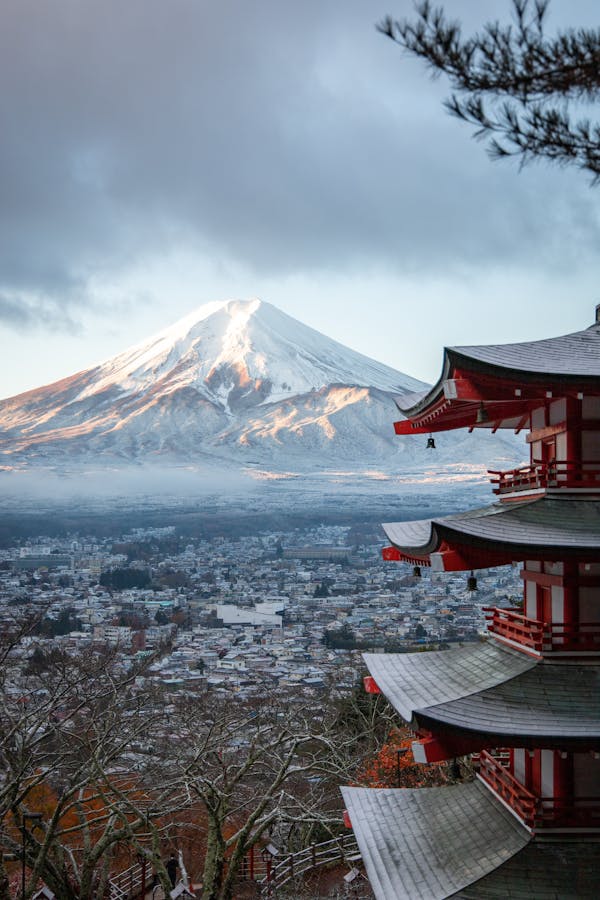
- Mt Fuji and the Fuji Five Lakes region
- Traditional ryokan (inn) experience with kaiseki dinner and onsen
- Cherry blossom (sakura) season in late March and early April
- Hiroshima Peace Memorial Museum
Best for
Japan — Quick Facts
Capital
Tokyo
Currency
Japanese Yen (JPY)
Population
125 million
Language(s)
Japanese
Time Zone
JST (UTC+9)
Driving Side
Left-hand traffic
Power Plugs
Type A, Type B
Card Acceptance
Cash still essential at small shops, markets, and rural areas; major stores accept cards
Typical Daily Budget
¥5,000–7,000 (~$33–47) / ¥12,000–20,000 (~$80–135) / ¥40,000+ (~$265+) (budget / mid / luxury)
Emergency Numbers
Police: 110 · Ambulance: 119 · Fire: 119
Destinations in Japan
Explore cities, regions, and experiences across Japan.
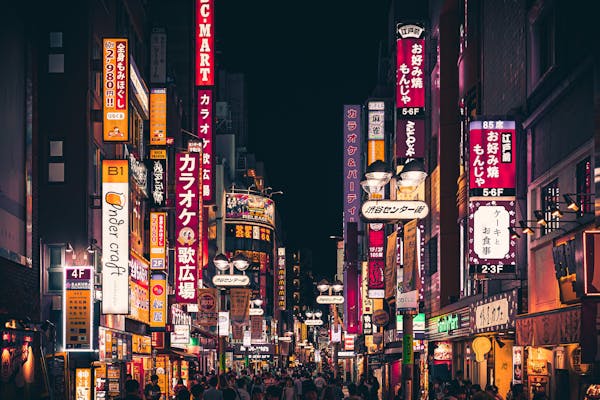
Tokyo
Where ancient tradition meets cutting-edge innovation

Kyoto
Fushimi Inari gates, geisha districts and bamboo forests
Osaka
Street food capital of Japan
Hiroshima
Peace memorials and the shrine island of Miyajima
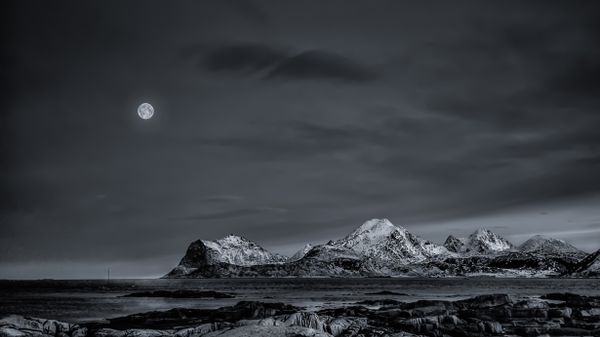
Nara
Free-roaming deer and ancient Buddhist temples
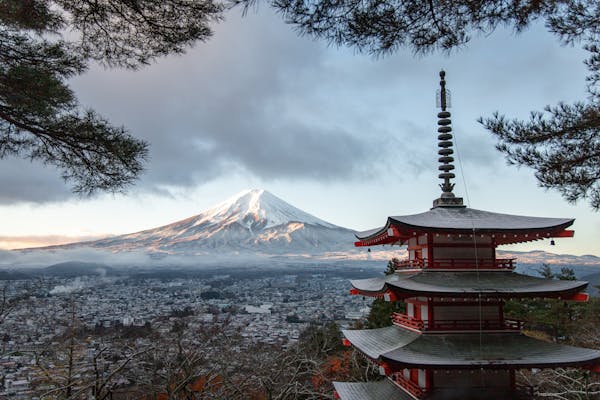
Hakone
Mount Fuji views and volcanic hot springs
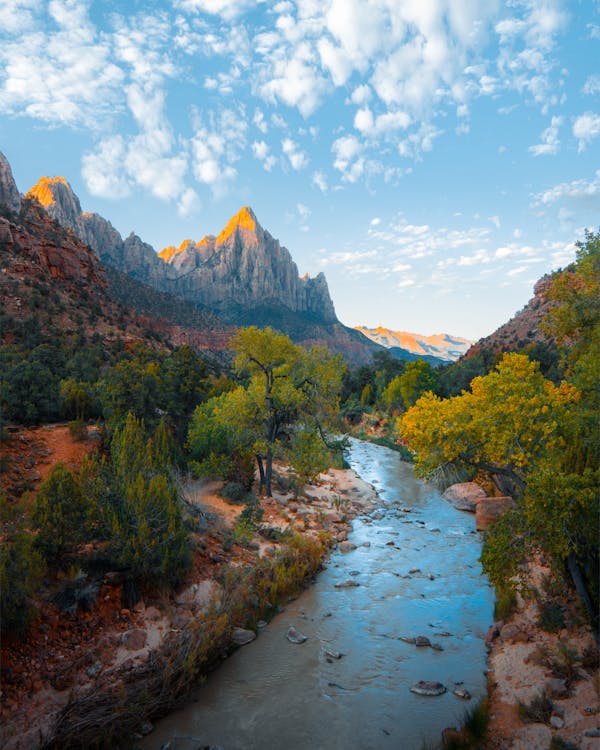
Hokkaido
Powder snow, wildflower fields, and seafood
Best Time to Visit Japan
Japan has four dramatically different seasons. Spring (late March–early May) brings the world-famous cherry blossom season and is the most popular — and expensive — time to visit. Autumn (October–November) offers vivid red maple foliage and comfortable temperatures. Winter brings snow to the Japanese Alps, ideal for skiing at Niseko or Hakuba.
Mar – May
Cherry Blossom Season
The most iconic time to visit. Sakura peaks late March in Tokyo, early April in Kyoto. Crowds and prices are highest — book accommodation 3+ months ahead.
Jun – Aug
Summer
Hot, humid, and rainy in June (tsuyu season). July and August are peak summer with festivals (matsuri) but intense heat. Good for mountain escapes and Hokkaido.
Sep – Nov
Autumn Foliage
Arguably the most beautiful season — koyo (maple foliage) peaks in Kyoto mid-November. Comfortable temperatures and fewer crowds than spring.
Japan — Travel Budget Guide
Japan has a reputation for being expensive, but the weak yen (2024–2026) has made it significantly more affordable for Western visitors. Budget travellers using capsule hotels, convenience store meals, and day passes can keep costs surprisingly low.
Budget Traveller
¥5,000–7,000/day (~$33–47)
Capsule hotel or hostel dorm, convenience store and ramen meals, IC card for public transport, free temples and parks.
Mid-Range
¥12,000–20,000/day (~$80–135)
Business hotel or boutique inn, restaurant meals, day trips, entry to paid attractions. JR Pass budgeted separately.
Luxury / Ryokan
¥40,000+/day (~$265+)
Traditional ryokan with kaiseki dinner and private onsen, Michelin-starred dining, private guides, first-class Shinkansen tickets.
Japan Safety Overview
Low RiskJapan is consistently ranked among the safest countries in the world for travellers. Violent crime against tourists is extremely rare. Lost belongings are frequently handed into police stations. The main safety considerations are natural disasters — Japan sits on the Pacific Ring of Fire and experiences earthquakes and typhoons.
- Download the Japan official disaster alert app (Safety Tips) — it broadcasts earthquake and tsunami warnings in English.
- Typhoon season: August to October. Check Japan Meteorological Agency forecasts before travel.
- Carry cash — many traditional restaurants, temples, and rural establishments are cash-only.
- Respect quiet carriage rules on Shinkansen and transport etiquette (no phone calls, voices low).
- Healthcare is high quality but expensive without insurance — comprehensive travel insurance is essential.
Getting Around Japan
Japan has one of the finest rail networks on earth. The Shinkansen (bullet train) connects Tokyo, Kyoto, Osaka, Hiroshima and other major cities at up to 320km/h. The JR Pass (for foreign visitors only, purchased before arrival) can offer significant savings for multi-city trips. Within cities, metro systems are fast, clean, and punctual.
Shinkansen (Bullet Train)
Tokyo–Kyoto in 2h15. A 7-day JR Pass (~$295) pays off with 3+ intercity journeys. Must be purchased before arriving in Japan.
Tokyo Metro & Subway
Highly efficient 13-line network. Suica/Pasmo IC card for tap-and-go travel. 24/48/72-hr tourist passes available.
Domestic Flights
ANA, JAL, Peach Aviation, and Jetstar for Hokkaido, Okinawa, and Kyushu. Competitive for distances over 700km.
Highway Buses
Overnight highway buses are the cheapest option between cities. Tokyo–Osaka from ¥3,500. Budget-friendly but less comfortable than Shinkansen.
Car Hire
Recommended for rural Hokkaido, the Noto Peninsula, or road-tripping Kyushu. International driving permit required. Drive on the left.
Japan — Connectivity & eSIM
Japan has excellent 4G and 5G coverage across all major cities, tourist areas, and along the Shinkansen corridor. Travel eSIMs from Airalo or IIJmio have become the default for short-visit travellers. Physical SIMs are available at airports from Docomo, SoftBank, and AU. Note: data-only plans are standard as Japanese numbers can't easily be used for international calls.
Popular destinations
Where to stay in Japan
Live rates across Booking.com, VRBO, Expedia and Hotels.com — no extra cost to you.

東京Dong house

TokyoTokyo

tokyo

Hanedano Workspace - Vacation STAY 47594v
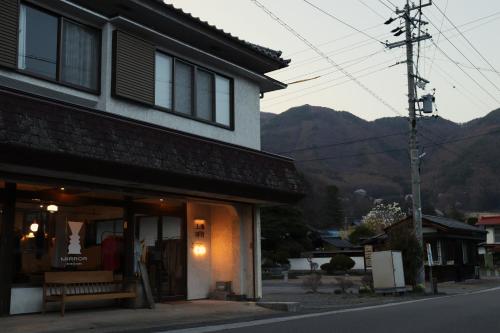
guesthouse 上海洋行 Shanghai Yoko

The BEITH

カナリアンホテル

Baco Resort Nagano

Wan Wan Paradise Tateshina
Live rates across our partner network (Booking.com, VRBO, Expedia, Hotels.com) via Stay22. Makutet may earn a commission when you book — at no extra cost to you. Prices update in real time and may vary before booking.
Flights to Japan
Compare fares across hundreds of airlines and book directly — no extra cost to you.
Prices update in real time and may vary before booking.
Japan Travel Intelligence
Guides, watch alerts, and planning resources for Japan.
Japan — Frequently Asked Questions
Ready to plan your Japan trip?
Use Makutet's AI tools to build the perfect itinerary in minutes.