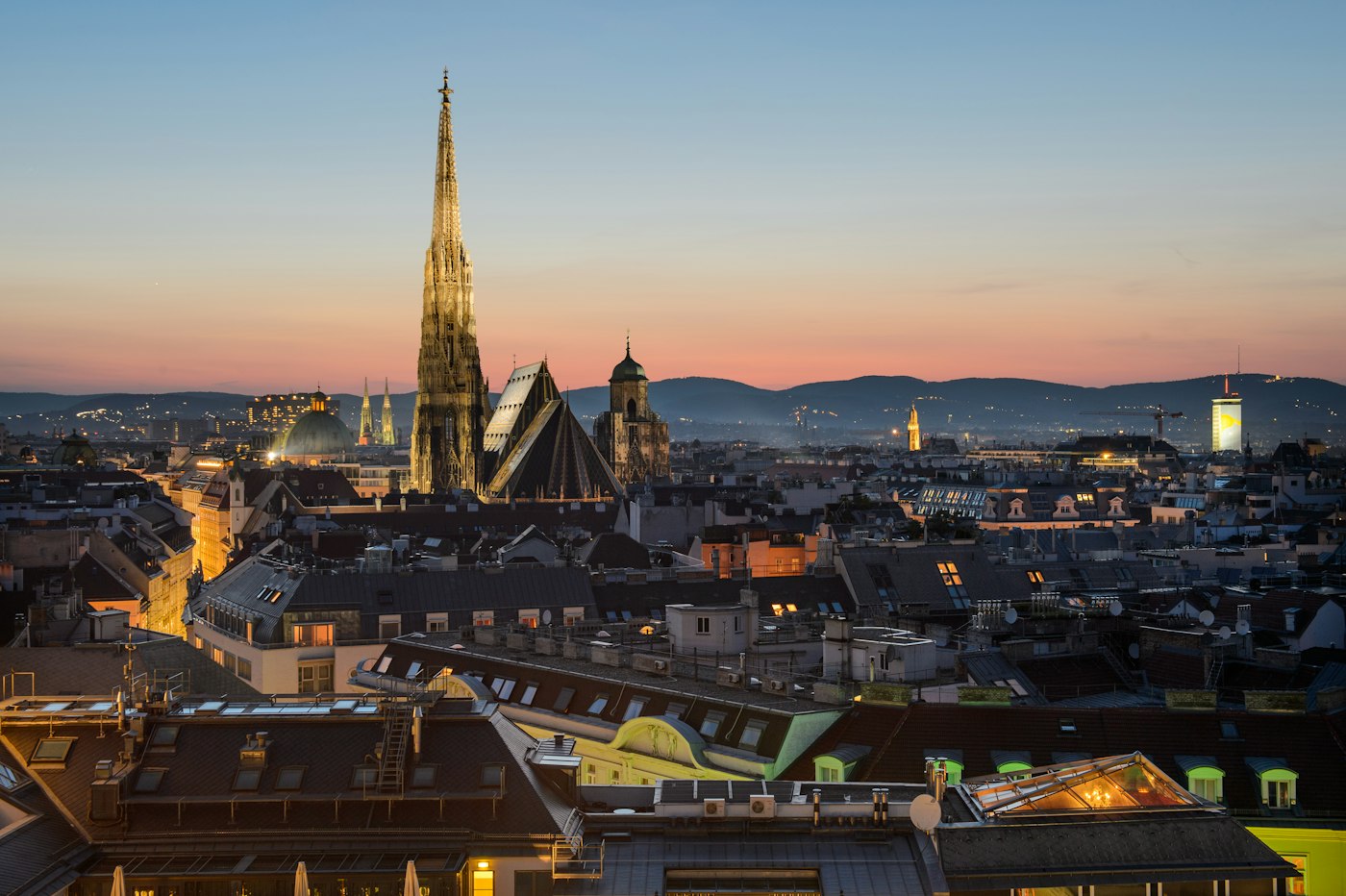
Austria — Alpine Grandeur & Imperial Elegance
Vienna's coffee houses and palaces, Salzburg's Mozart and Sound of Music, and some of the finest mountains and ski slopes in Europe.
Why Visit Austria?
Austria pairs imperial grandeur with alpine drama like nowhere else. Vienna, repeatedly voted the world's most liveable city, layers Habsburg palaces, gilded concert halls and an unhurried coffee-house culture into a capital made for slow, civilised days. Beyond it, the country tilts upward into the Alps: Salzburg's baroque skyline and Mozart heritage, the mirror-still lakes of the Salzkammergut, the postcard village of Hallstatt, and the ski-and-hike playground of Tyrol around Innsbruck. Compact, immaculately organised and laced with scenic railways, Austria is one of Europe's most effortless and beautiful countries to travel.
Key Highlights
- Vienna's Schönbrunn and Hofburg palaces and coffee-house culture
- Salzburg's old town, Mozart's birthplace and Sound of Music sites
- The fairytale lakeside village of Hallstatt
- Innsbruck and the Tyrolean Alps for hiking and skiing
- The Grossglockner High Alpine Road
- The lakes and mountains of the Salzkammergut
Best for
Austria — Quick Facts
Capital
Vienna
Currency
Euro (EUR)
Population
9.1 million
Language(s)
German (Austrian dialect)
Time Zone
CET (UTC+1)
Driving Side
Right-hand traffic
Power Plugs
Type C, Type F
Card Acceptance
Cards widely accepted in cities; carry cash for mountain huts, small cafés and rural villages
Typical Daily Budget
€80–110 / €160–260 / €380+ (budget / mid / luxury)
Emergency Numbers
Police: 133 · Ambulance: 144 · Fire: 122
Destinations in Austria
Explore cities, regions, and experiences across Austria.
Vienna
The imperial capital — Schönbrunn and Hofburg palaces, gilded concert halls, museums and timeless coffee houses.
Salzburg
Mozart's baroque birthplace beneath a hilltop fortress — and the backdrop to The Sound of Music.
Hallstatt
The world's most photographed alpine village, mirrored in a glassy lake amid the Salzkammergut mountains.

Innsbruck & Tyrol
The alpine capital of Tyrol — surrounded by ski slopes, hiking trails and the dramatic Nordkette range.
Best Time to Visit Austria
Austria is a true two-season destination. Summer (June–September) is glorious for hiking, lakes and city sightseeing, while winter (December–March) transforms the Alps into one of the world's premier ski regions. Spring and autumn are quieter and cheaper, though some mountain facilities close between seasons.
Jun – Sep
Summer (Hiking Peak)
Warm, green and ideal for alpine hiking, lake swimming and city sightseeing in Vienna and Salzburg. Long days and full mountain access.
Dec – Mar
Winter (Ski Peak)
World-class skiing in Tyrol, Salzburgerland and beyond, plus Vienna and Salzburg's magical Christmas markets in December.
Apr – May & Oct
Shoulder
Quieter and cheaper with spring blossom or autumn colour. Some cable cars and mountain huts close between the hiking and ski seasons.
Austria — Travel Budget Guide
Austria is moderately expensive — pricier than Germany, below Switzerland. Vienna offers good value for a Western European capital, especially its café lunches and excellent public transport, while Alpine ski resorts in peak season are the priciest experiences. Scenic rail passes and city travel cards help keep costs predictable.
Budget Traveller
€80–110/day
Hostel or pension, café and bakery meals, city travel cards and free parks, churches and viewpoints.
Mid-Range
€160–260/day
Boutique hotel, restaurant dining, scenic train journeys, a concert ticket and paid palace entries.
Luxury
€380+/day
Five-star Vienna hotel or alpine resort, fine dining, private guides, premium ski passes and spa retreats.
Austria Safety Overview
Low RiskAustria is one of the safest and most orderly countries in the world, with very low crime and superb emergency services. The main risks are alpine — sudden weather changes, avalanches off-piste and altitude on high routes — rather than crime. It is excellent for solo, female and family travellers year-round.
- In the mountains, check weather and avalanche reports, carry layers, and never ski off-piste without local knowledge and gear.
- Petty theft is rare but possible at Vienna's busiest tourist sites and stations — keep valuables secure.
- Carry cash for mountain huts (Hütten), small cafés and rural villages that may not take cards.
- Tap water is pristine and safe — much of it comes straight from the Alps.
- Validate public transport tickets; Austrian inspectors fine fare-dodgers on the spot.
Getting Around Austria
Austria has a superb, scenic rail network run by ÖBB — Vienna to Salzburg takes under three hours, and Railjet trains and panoramic regional lines reach the Alps in comfort. Vienna's U-Bahn and tram system is excellent, and a hire car or post bus opens up the Salzkammergut lakes and high alpine roads.
ÖBB Railjet & Trains
Fast, comfortable trains link Vienna, Salzburg, Innsbruck and Graz. Vienna–Salzburg in ~2h30. Scenic regional lines reach the lakes and Alps.
Vienna U-Bahn & Trams
A clean, efficient metro, tram and bus network. The Vienna City Card or a 24/48/72-hour pass covers unlimited travel.
Scenic Mountain Railways
Panoramic lines like the Semmering Railway (UNESCO) and routes into Tyrol are experiences in themselves — slow travel at its best.
Car Hire
Best for the Salzkammergut lakes, Grossglockner High Alpine Road and remote valleys. A motorway vignette sticker is required; drive on the right.
Post Buses
ÖBB Postbus services reach mountain villages and trailheads the trains don't, integrated with rail timetables.
Austria — Connectivity & eSIM
Austria has excellent 4G/5G coverage extending well into the mountains and along rail lines, with reliable WiFi in hotels and cafés. A travel eSIM is convenient for visitors, while EU travellers roam free on their home plan. Vienna is a comfortable, well-connected base for remote work.
Popular destinations
Where to stay in Austria
Live rates across Booking.com, VRBO, Expedia and Hotels.com — no extra cost to you.
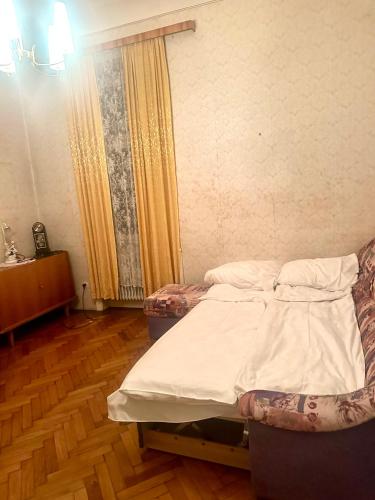
Payerbah cottage
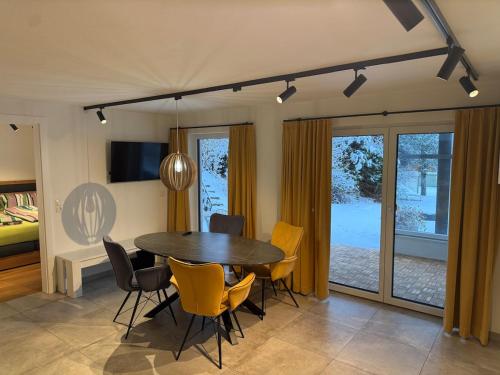
Apartment Tannenhof V

Bramberg Hideaway mit großer Terrasse
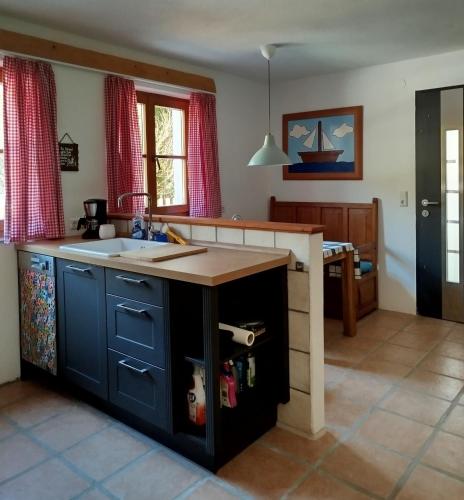
Ferienwohnung Heite in Altenmarkt bei St Gallen PLZ 8934

Omas Paradies
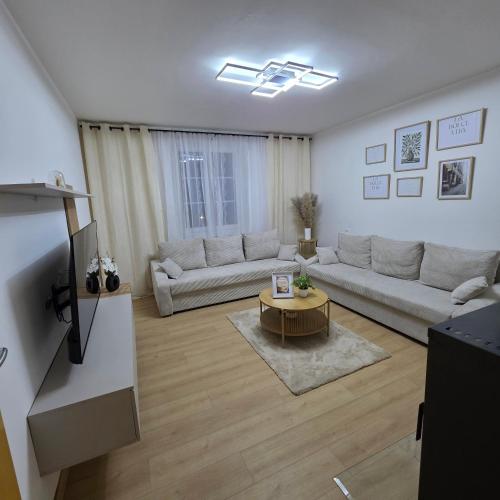
Apartment AlpenHerz Trieben

wild & bolz eMotel

P&R Home Trieben
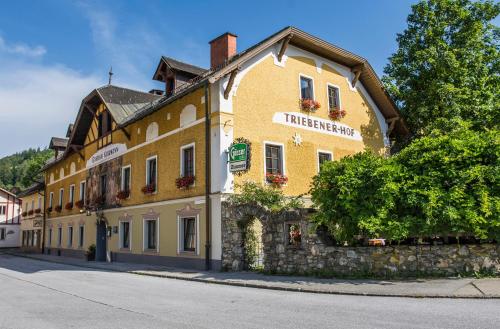
Triebenerhof
Live rates across our partner network (Booking.com, VRBO, Expedia, Hotels.com) via Stay22. Makutet may earn a commission when you book — at no extra cost to you. Prices update in real time and may vary before booking.
Flights to Austria
Compare fares across hundreds of airlines and book directly — no extra cost to you.
Prices update in real time and may vary before booking.
Austria Travel Intelligence
Guides, watch alerts, and planning resources for Austria.
Austria — Frequently Asked Questions
Ready to plan your Austria trip?
Use Makutet's AI tools to build the perfect itinerary in minutes.